Quarry-Direct from India  ·  Est. 1996  ·  30 Years in Natural Stone
SandstoneLimestoneBasalt Kota StoneMarbleSlate QuartziteOutdoor Porcelain Rock BouldersPebblesRR CladdingThin Stone Veneer Steps & TreadsCopingsStone Fountains Vintage Indoor FlooringSandstone Patio PacksSlimsetts and Parquets Blogs ProjectsAboutContact

Jointing & Protection

Joints that outlast the cement.

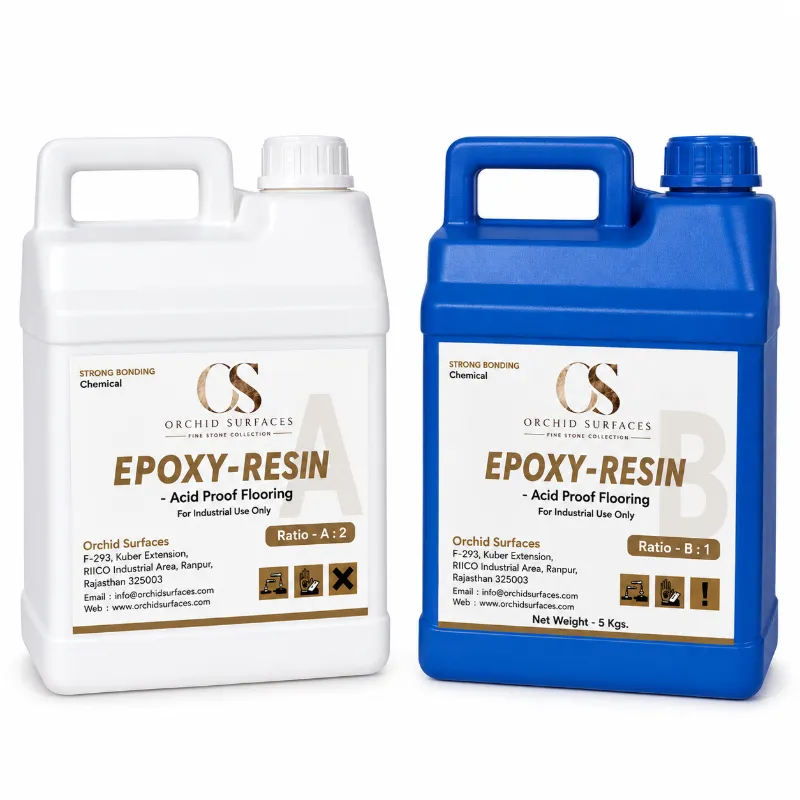
Epoxy grout does not wash out, does not dust, and does not surrender to acid. Where cement grout fails — industrial floors, chemical areas, pool surrounds, heavy traffic — this is the specification.

Where It Matters

Cement grout versus epoxy

Cement grout is porous and is attacked by acid. Epoxy grout is neither. For most garden paving cement is fine — these are the cases where it is not.

Primary Use
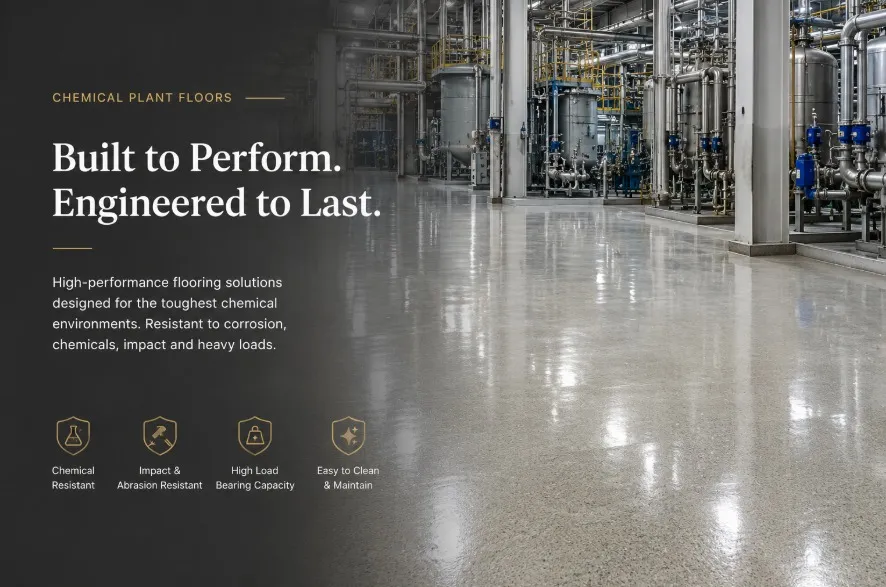
Industrial & chemical floors
Dairies, food processing, laboratories, battery rooms and workshops, where spillage would eat a cement joint away.
Primary Use
Pools and wet areas
Chlorinated and salt water degrade cement grout over time. Epoxy holds its colour and its bond.
Primary Use
Commercial kitchens
Constant washdown, hot oil and cleaning chemicals. Epoxy joints stay sealed and stay hygienic.
Stone Match
Kota stone and limestone
Both are calcareous and vulnerable to acid. A cement joint gives acid a direct route to the stone edge.
Stone Match
Facades and cladding
High, hard-to-reach joints where re-pointing later is expensive. Worth specifying properly the first time.
Practical
Joint width and finish
Epoxy handles narrow joints cleanly. Work in small areas and remove the haze while it is still fresh — it is unforgiving once cured.

To complete: send me your product name, pack sizes, available colours, pot life, cure time and coverage. I will swap the generic guidance for your real data sheet.

Is epoxy grout necessary for a normal garden patio?
Usually not. A good cement-based jointing compound is appropriate for most domestic paving. Epoxy earns its cost where acid, chemicals, constant water or heavy commercial traffic are involved.
Can it be used with Kota stone and limestone?
Yes, and it is a particularly sensible pairing. Both stones are calcareous, so an acid-resistant joint protects the stone edge as well as the joint itself.
How is it different to normal grout to work with?
It has a limited pot life and must be cleaned off the stone face before it cures. Work in small sections. Once epoxy has hardened on a stone surface, removing it is difficult.
Does it stain the stone?
It can if left on the surface, particularly on porous riven stone. Sealing the stone before grouting is the usual precaution.

Specifying an
acid-resistant floor?

Tell us the stone, the joint width and the chemical exposure and we'll advise on the right jointing system.

Chat with us on WhatsApp