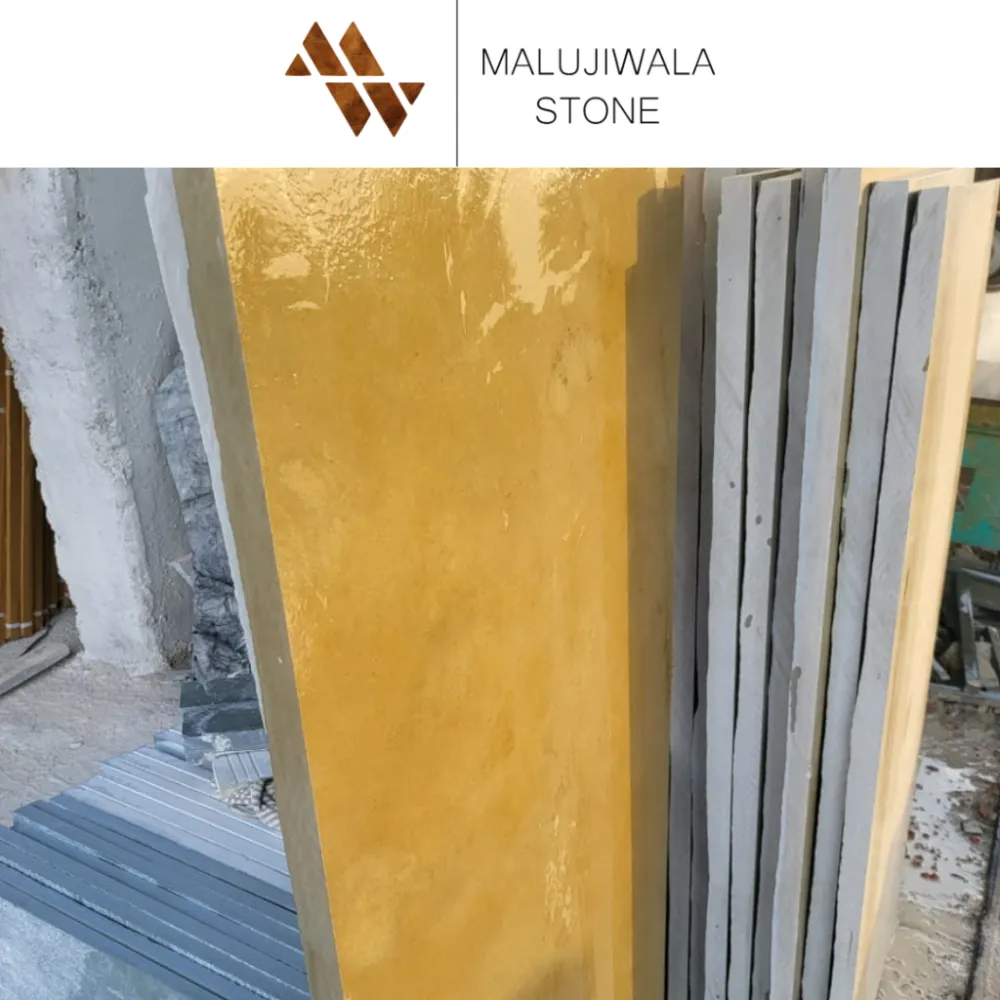
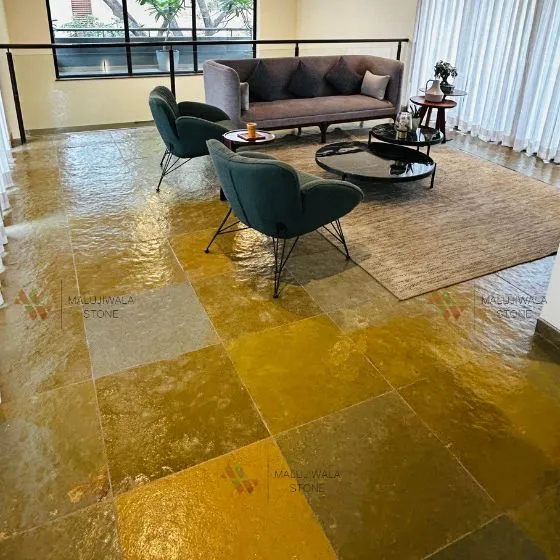
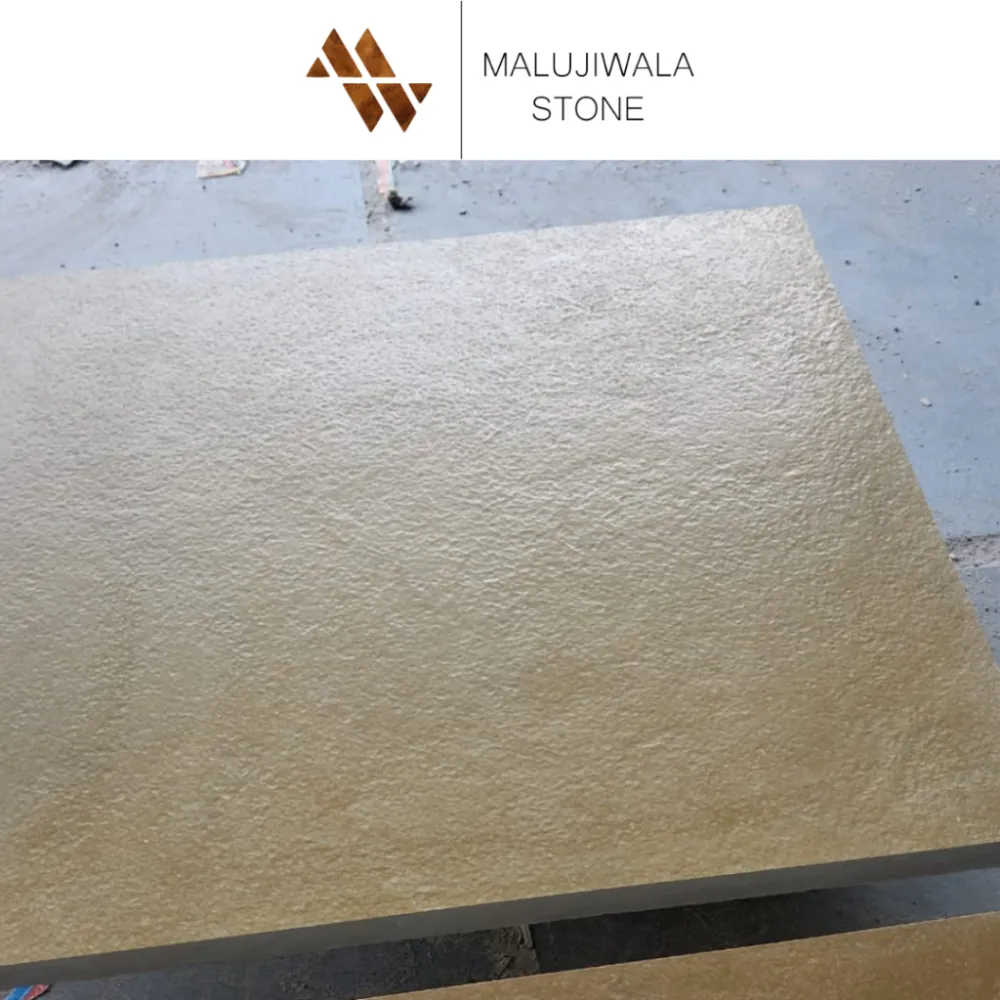
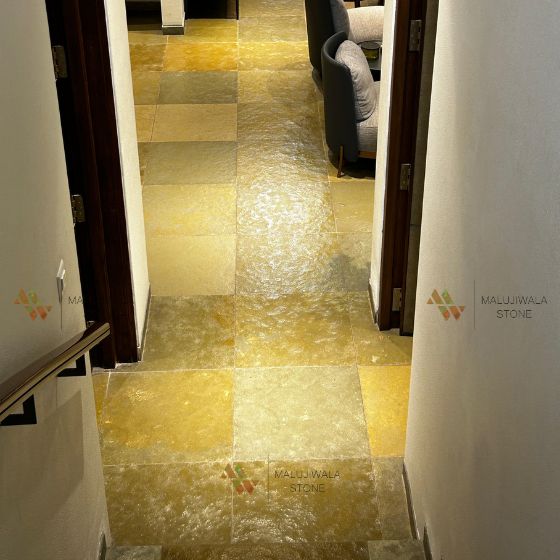
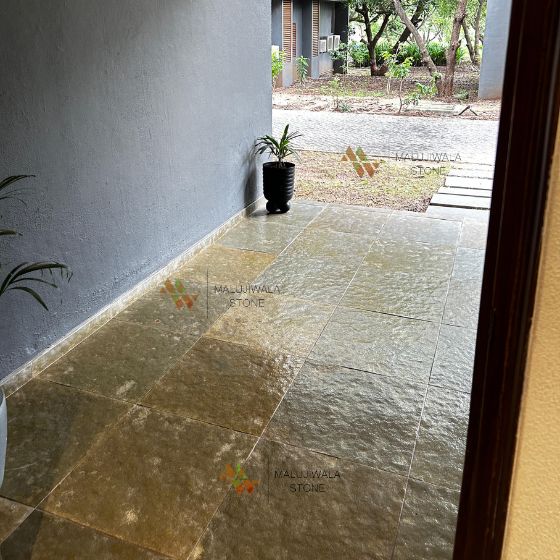
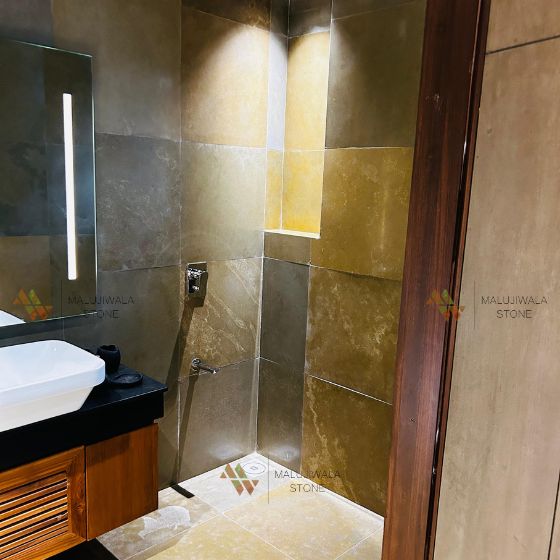
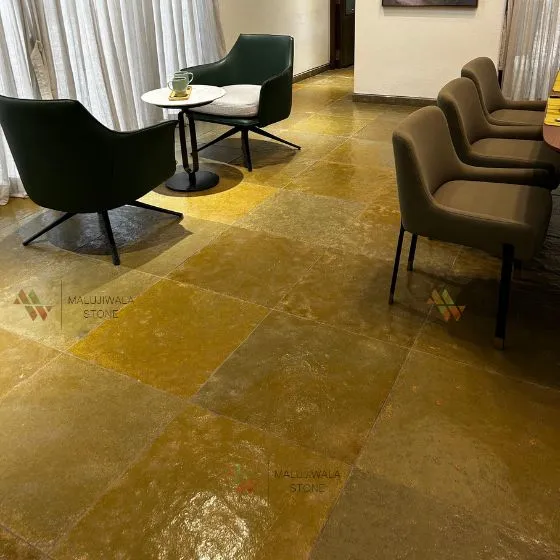
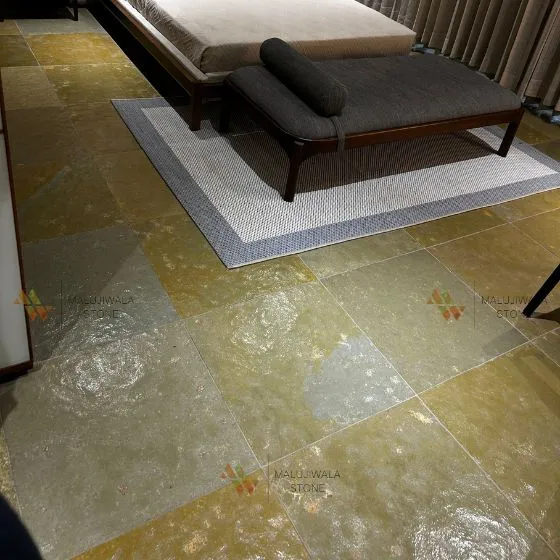
Kota Brown Limestone · Kota Honey · French Vanilla
Greenish and yellowish brown in a blend no two tiles share. Seven finishes, four size series, thickness 15 to 50mm — and we are India’s largest manufacturer of it.
Known for its beautiful shades of greenish and yellowish brown, Kota Brown Limestone is highly prized for its exceptional durability and aesthetic appeal.


About the Stone
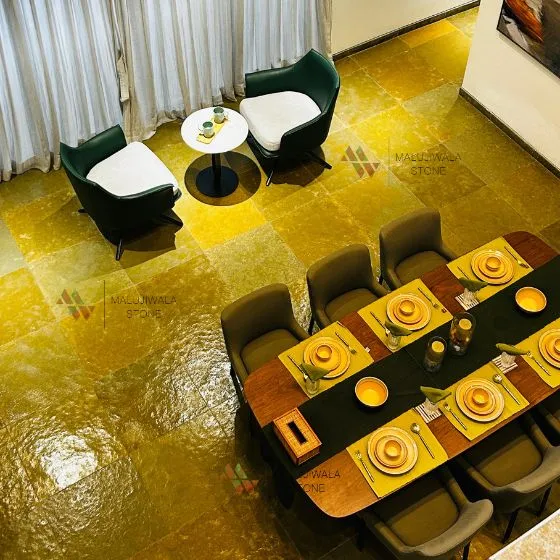
Kota Brown Limestone Tiles — the ultimate choice for elegant flooring solutions at Malujiwala Stone. Kota Brown Limestone is one of the most sought-after natural stones for both residential and commercial applications. Known for its beautiful shades of greenish and yellowish brown, it is highly prized for its exceptional durability and aesthetic appeal.
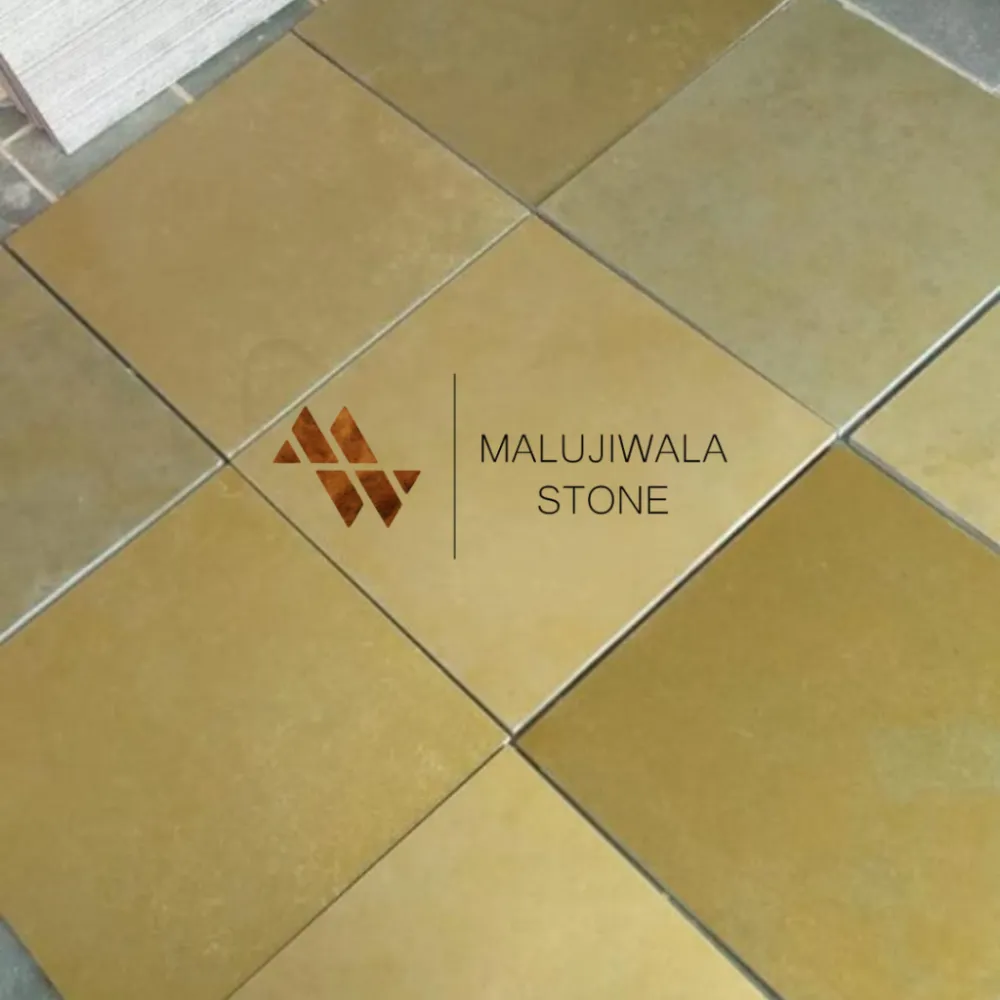
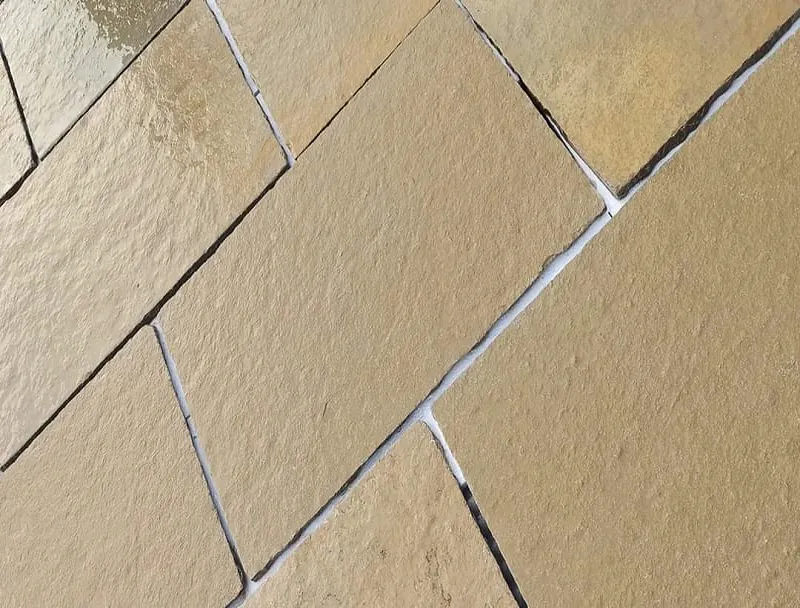
This stone is also popularly referred to as Kota Honey or French Vanilla in the industry, due to its warm, inviting colour variations that complement a wide range of interior designs. Colour variation is high — each piece has a unique blend of earthy tones, making every tile distinct. That is the appeal rather than a flaw, but it does mean you should mix from all crates as you lay.
One point worth being precise about: Kota Brown is a northern Indian limestone, and Tandur Yellow is a southern one. They look similar at a glance and are frequently confused — Kota Brown is sometimes even sold as Kota Yellow. Examined closely they are entirely different products in grain and texture. As India’s largest manufacturer of Kota Brown Limestone, we provide top-tier service, ensuring your flooring project is completed with precision and care.
Four size series from 280×280mm up to 600×1200mm, plus imperial sizes from 12″×12″ to 24″×36″. Thickness 15mm to 50mm throughout. Bespoke and custom sizes available upon request.
Each finish behaves differently. Pick for the room, not just the look.
Note: delivered products may vary slightly from the images shown — every tile is distinct.


Limestone behaves differently to sandstone. A few honest notes that will save you real trouble later.
Never use acid on limestone. Kota Brown is calcium carbonate, so acidic cleaners react chemically with the stone itself — the damage is permanent and irreparable, not a stain you can lift. pH-neutral only, whether washing routinely or shifting mortar residue.
Mix your crates — variation is high here. Each piece has a unique blend of earthy tones, which is exactly what people buy Kota Brown for. Open all crates together and draw evenly from each. Working through one crate at a time will cluster the greens in one area and the honeys in another, and read as patchy rather than as a blend.
Match the finish to the room. Seven finishes is a lot of choice, and they behave differently. Polished is high-end but shows every mark and gets slippery wet. Honed is the safe modern default. Sandblast or shot blast is the one to specify for high-traffic and wet areas — that texture is genuine non-slip performance, not decoration.
Order 10% extra. Standard for natural stone — covers cuts, breakage and future repairs.
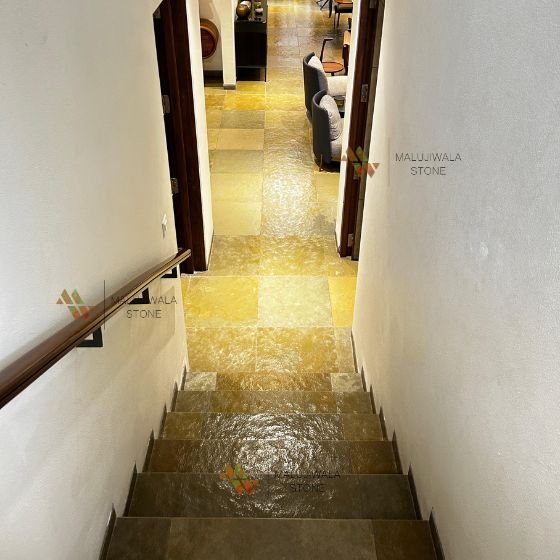
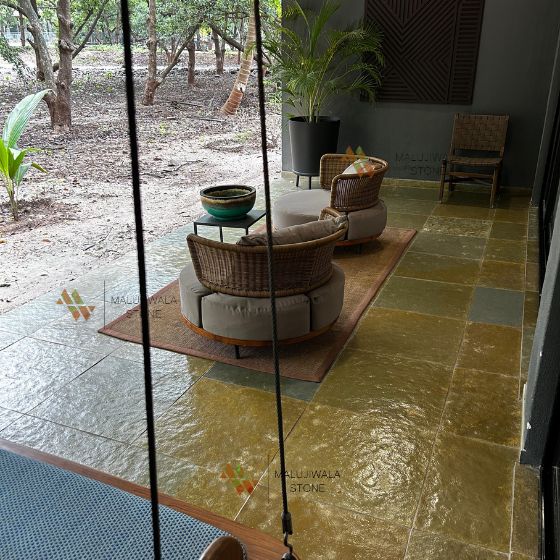
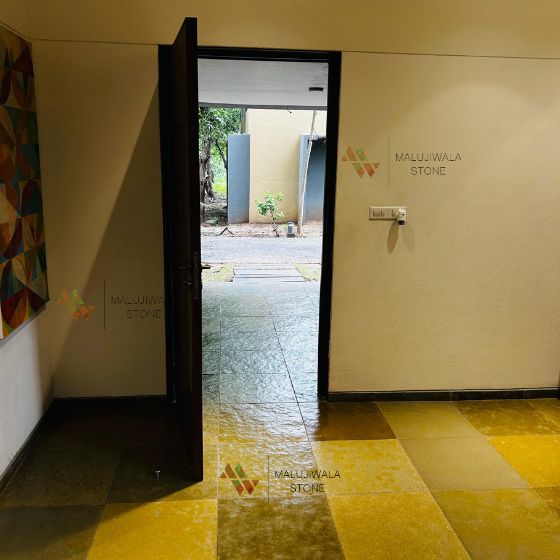
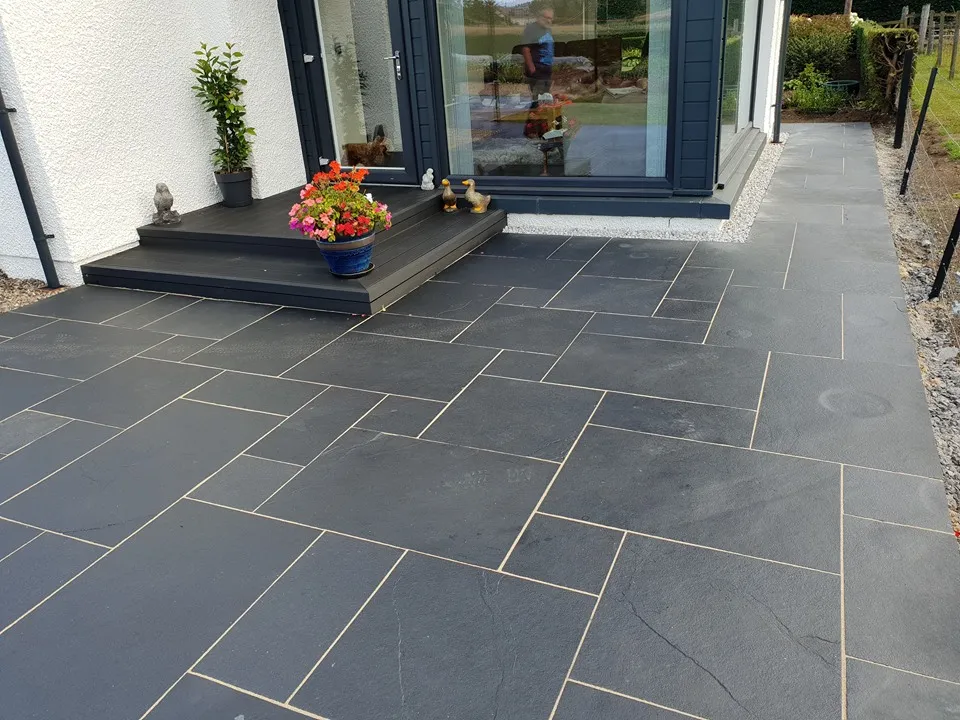
Perfect for high-traffic areas like hallways, living rooms, offices and outdoor patios.
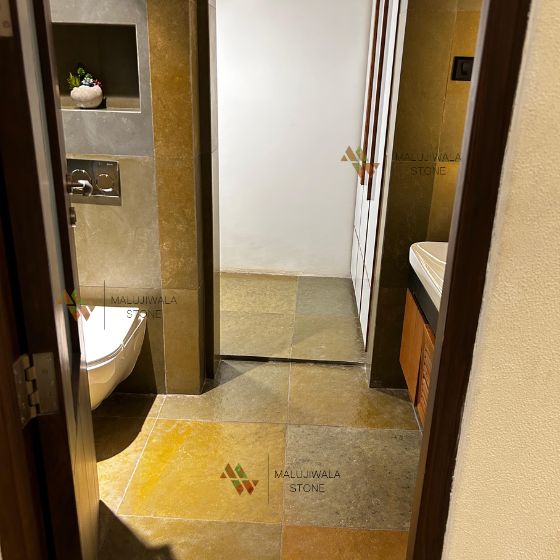
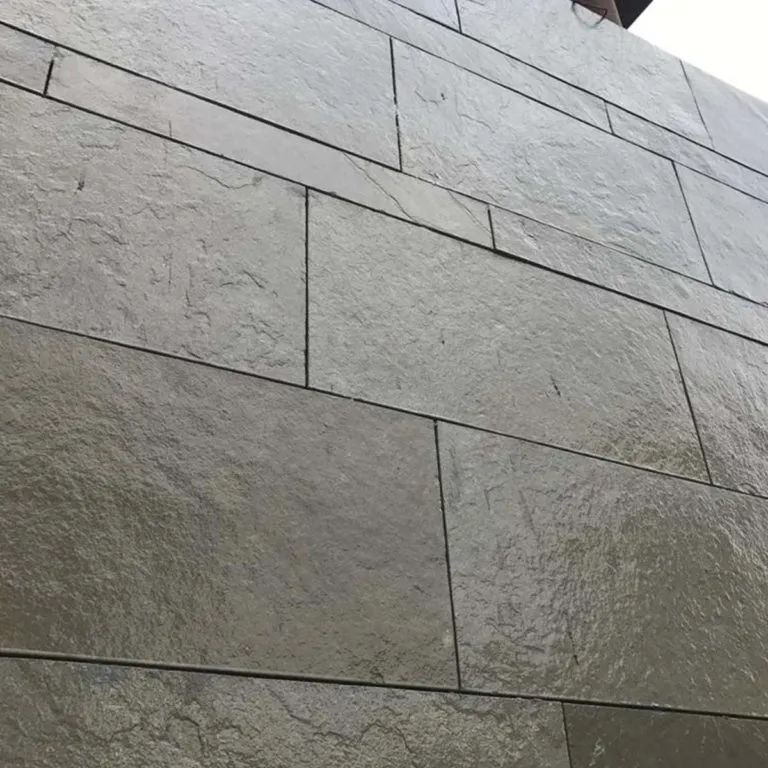
Adds a natural, earthy appeal to any vertical surface.
Durable with slip-resistant options — indoor and outdoor stairways.
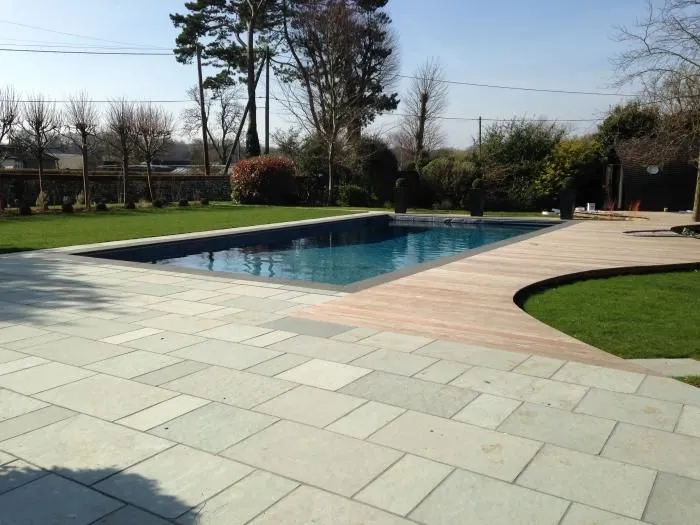
Ideal for garden pathways and patios thanks to its rugged, slip-resistant surface.
Care & Maintenance
Sweep with a soft broom and wash occasionally with a mild, pH-neutral detergent. Never use an acid-based cleaner on Kota Brown, either as a wash or to shift mortar stains — the chemical reaction between acid and limestone permanently damages the surface of the stone. There is no fixing it afterwards.
Sealing is recommended, and the finish you chose changes how much it matters. Polished and honed surfaces show water marking more readily than textured ones and benefit most from a breathable impregnating sealer. Sandblasted and tumbled finishes are more forgiving. Reseal every two to four years depending on exposure.
Kota Honey and French Vanilla are the popular industry names, given for its warm, inviting colour variations. It is also sometimes sold as Kota Yellow. All refer to the same greenish and yellowish brown limestone from the Kota region.
Geography and grain. Kota Brown is a northern Indian limestone; Tandur Yellow comes from the south. They look similar at a glance and are often confused, but examined closely they are entirely different products in texture and tone. The same north-south pairing exists in blue-grey: Kota Blue from the north, Tandur Grey from the south.
Seven. Natural Split for a raw, rugged rustic look. Antique/Brushed for a softer, weathered appeal. Antique/Tumbled for texture and character. Honed for a smooth, matte modern finish. Polished for a sleek, glossy high-end surface. Sandblast/Shot Blast for a textured non-slip surface ideal for high-traffic areas. And Sandblast/Shot Blast plus Brushed for added texture and aesthetic value.
Four series. Series 1 runs 280x280mm up to 560x1120mm. Series 2 runs 300x300mm up to 600x1200mm. Series 3 runs 300x300mm up to 600x600mm. Series 4 is imperial, from 12x12 inch up to 24x36 inch. Thickness is 15mm to 50mm across all series, and bespoke sizes are available upon request.
No, and that is the point. Colour variation is high — each piece has a unique blend of earthy tones, making every tile distinct. Mix from all crates as you lay to distribute the greens and honeys evenly. If you need uniformity, Tandur Yellow is far more consistent.
Never. It is a limestone — calcium carbonate — and acid reacts chemically with it, permanently damaging the surface. Use only pH-neutral cleaners, including for mortar residue.
Tell us the thickness, quantity and destination — we'll come back with USD/sqft pricing and confirmed lead times. No agents in between.
These are the alternatives buyers most often weigh against Kota Brown.
Speak to our team for pricing, samples, MOQ details and shipping options to your country. Direct from India since 1996.