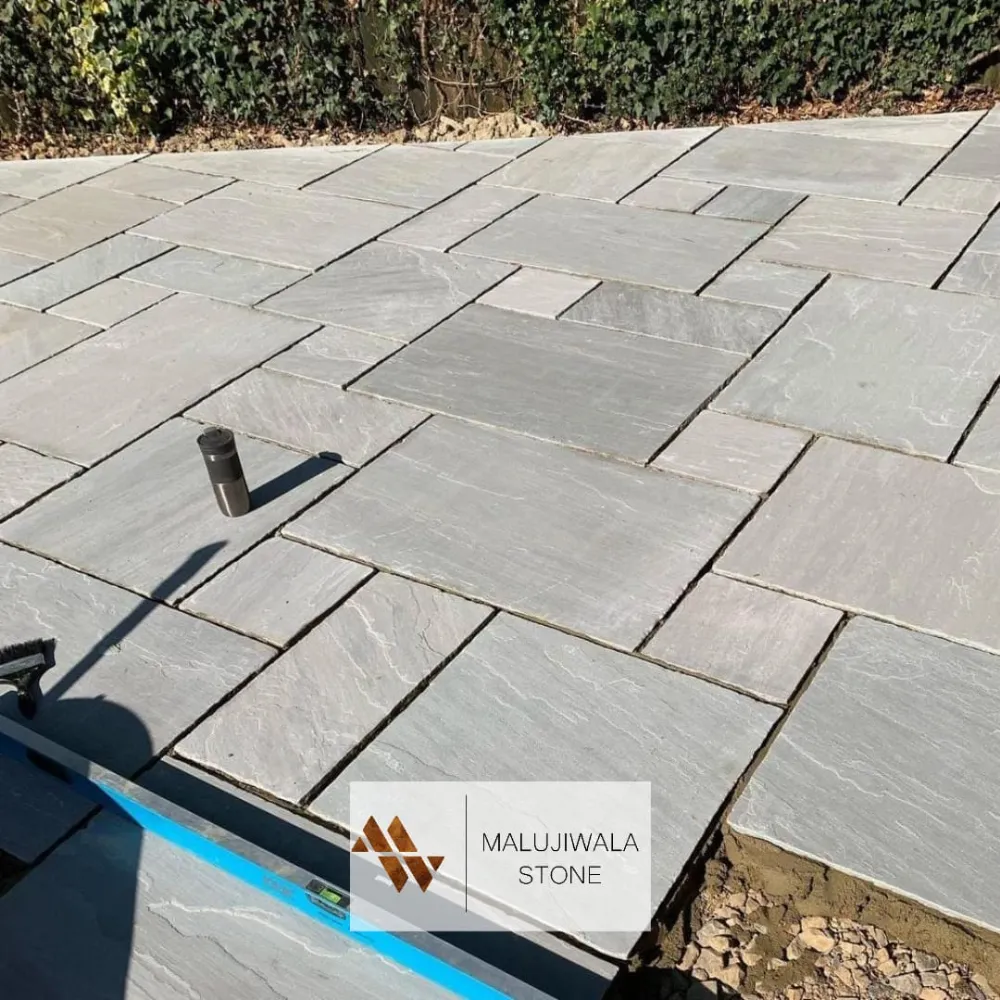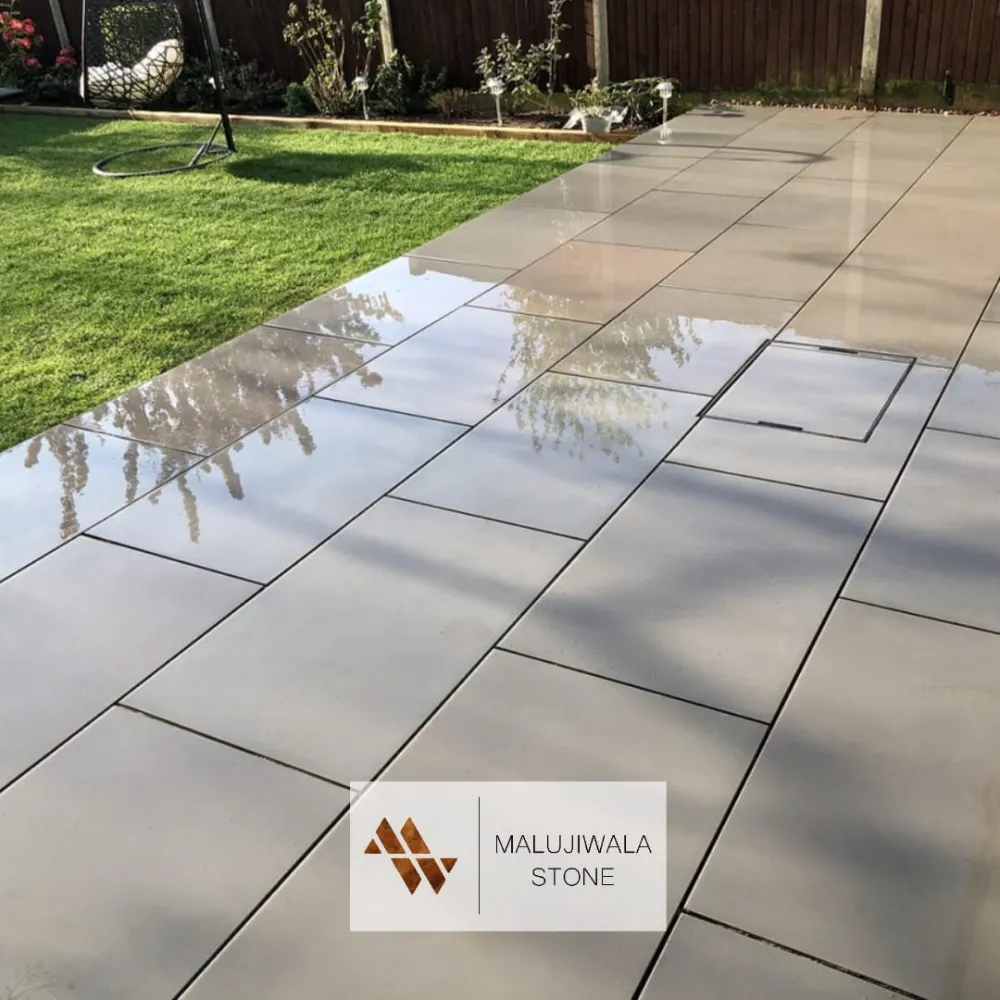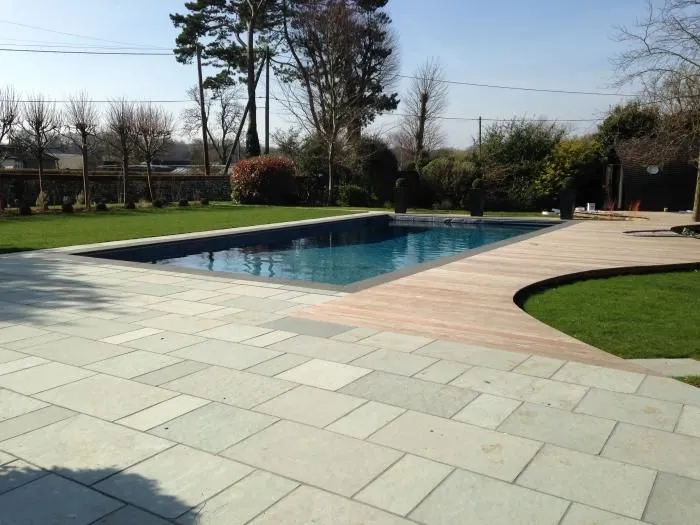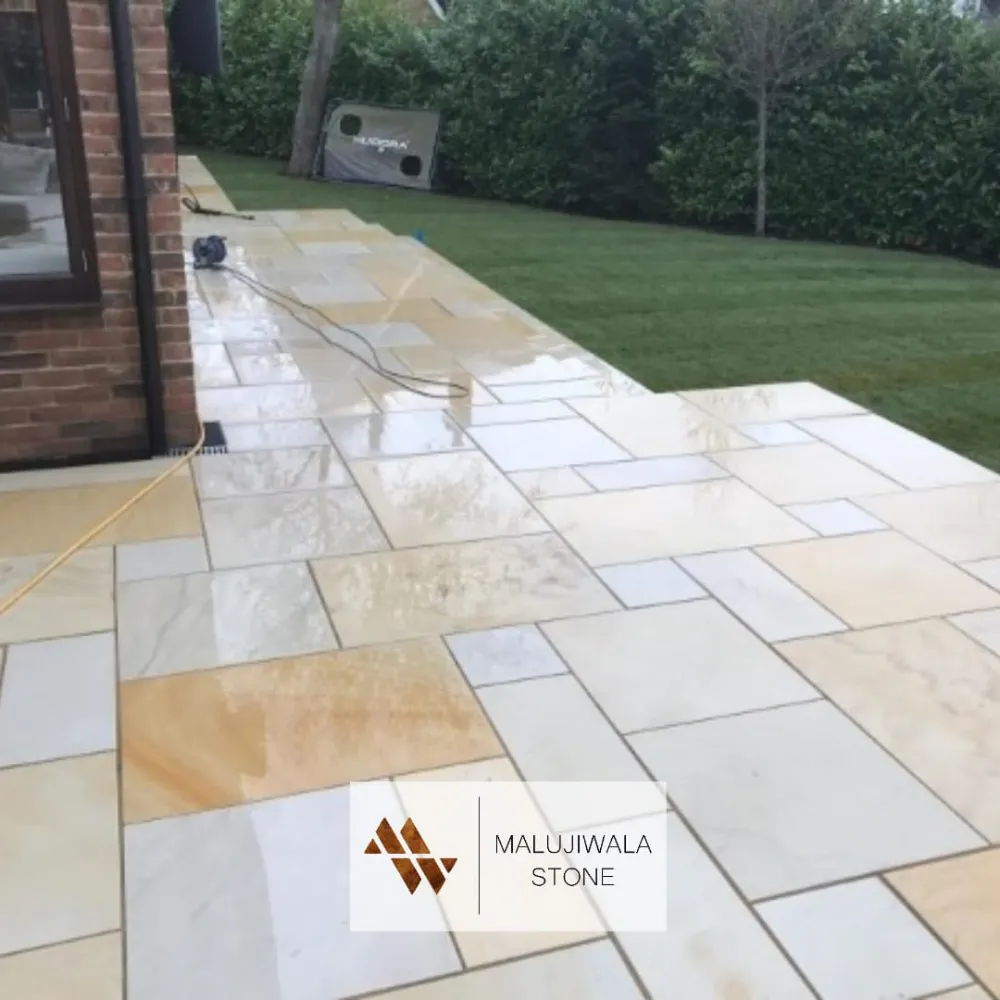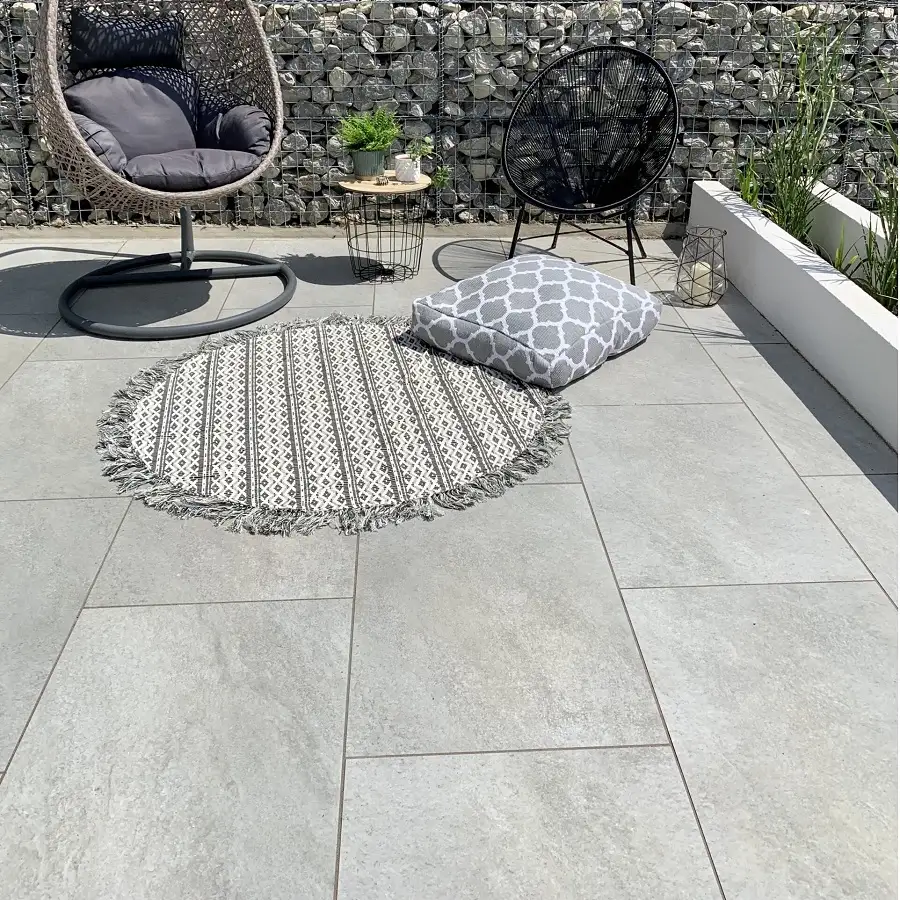
Outdoor Porcelain · 20mm · R11 Certified
Zero sealing, zero fuss.
Fired above 1,200°C to under 0.5% water absorption — porcelain cannot absorb a stain, cannot host algae, and never needs sealing. Certified R11 anti-slip. Eleven designs.
Outdoor Porcelain · 20mm · R11 Certified
Fired above 1,200°C to under 0.5% water absorption — porcelain cannot absorb a stain, cannot host algae, and never needs sealing. Certified R11 anti-slip. Eleven designs.
Porcelain slabs are a type of ceramic tile specifically designed for outdoor use — made from a blend of clay, feldspar and quartz, fired at extremely high temperatures to create a dense, durable, water-resistant material.

About the Stone
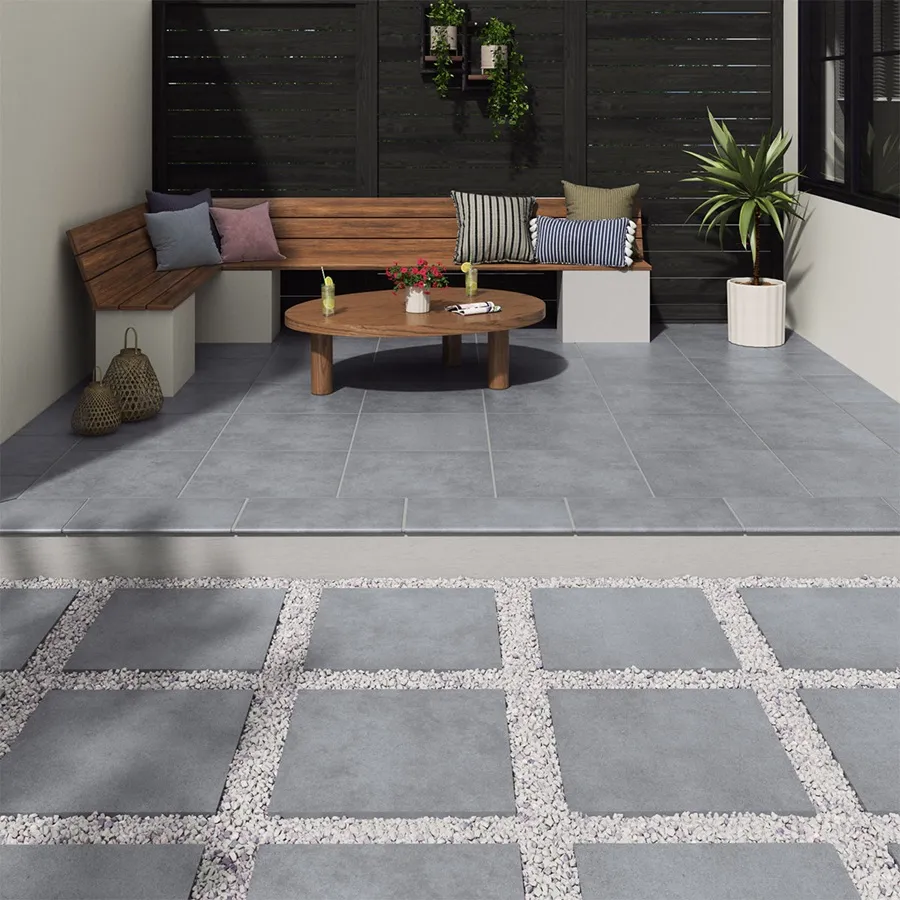
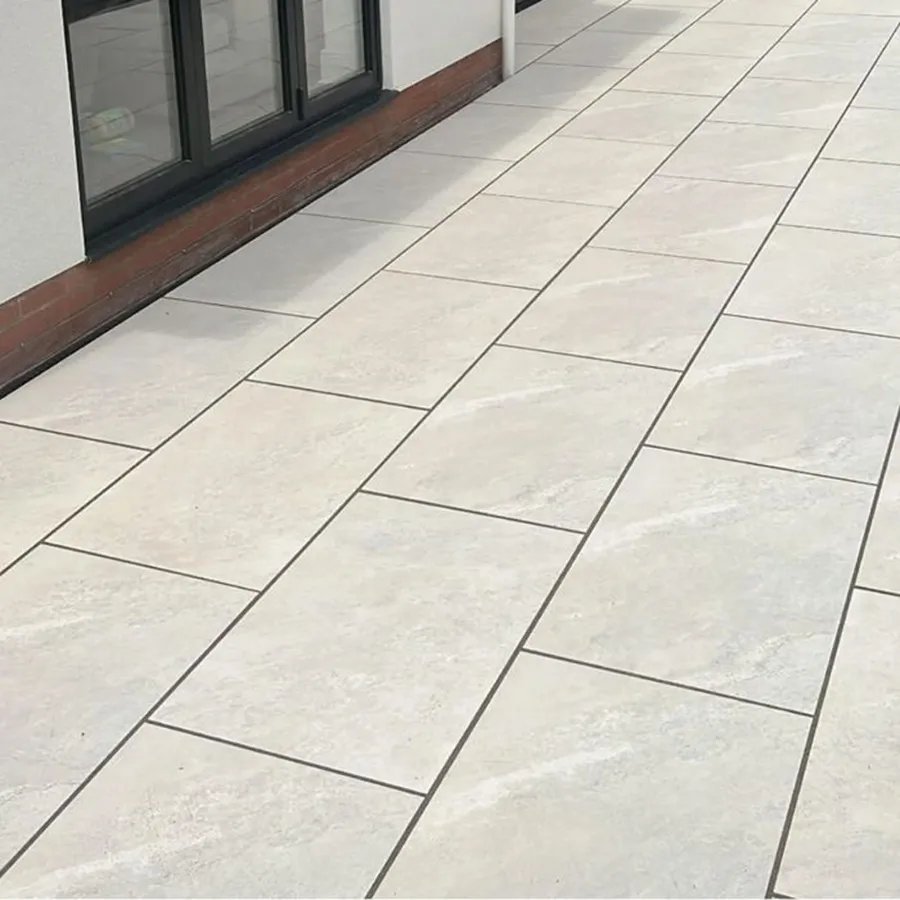
Porcelain slabs have been gaining popularity in recent years as a material for paving outdoor spaces. Porcelain slab paving is a type of ceramic tile that is specifically designed for outdoor use. They are made from a blend of natural materials, including clay, feldspar, and quartz, that are fired at extremely high temperatures — above 1,200°C — to create a dense, durable, and water-resistant material.
One of the main advantages of using porcelain slabs for paving is their low maintenance requirements. Porcelain slab is highly resistant to stains, scratches, and fading, making it an ideal choice for high-traffic areas such as patios, walkways, and driveways. Porcelain is also non-porous, which means that it will not absorb water or harbor mold and mildew like other materials such as concrete or natural stone.
The numbers behind that: true porcelain absorbs under 0.5% water, where limestone can absorb up to 12%. That single property drives everything else — stains cannot penetrate, water cannot freeze inside and crack it, algae struggles to take hold, and it never needs sealing because there is nothing for a sealant to bond to. High-quality porcelain is also UV-resistant, holding its colour for decades where natural stone weathers.
Sizes available are 3×2 and 2×2. Container maths: 40 pieces of 600×900×20mm per pallet (21.6 sqm), 31 pallets per container — 670 sqm per container.
Certified anti-slip R11 rated porcelain pavings. Sizes available are 3×2 and 2×2.
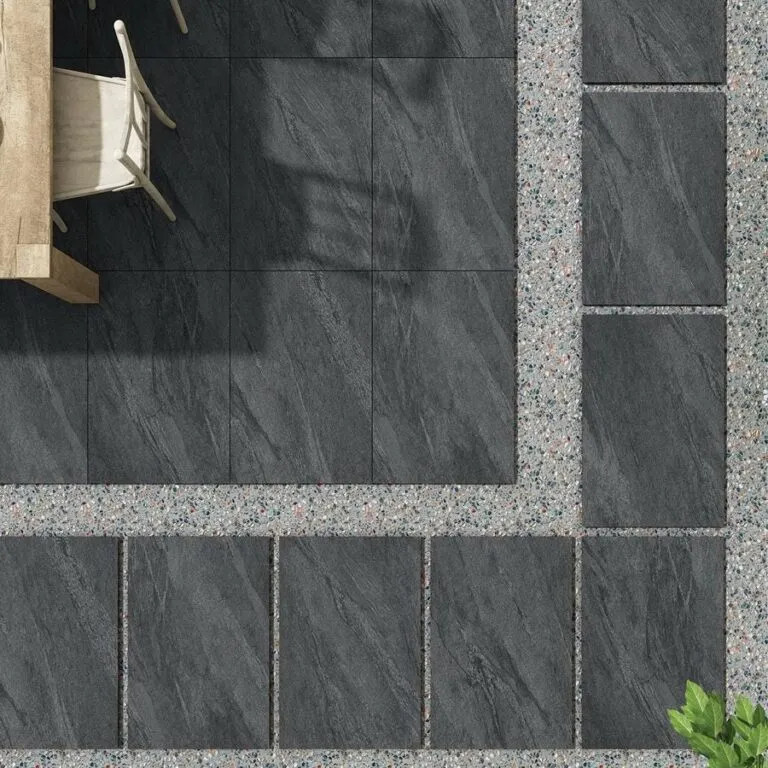
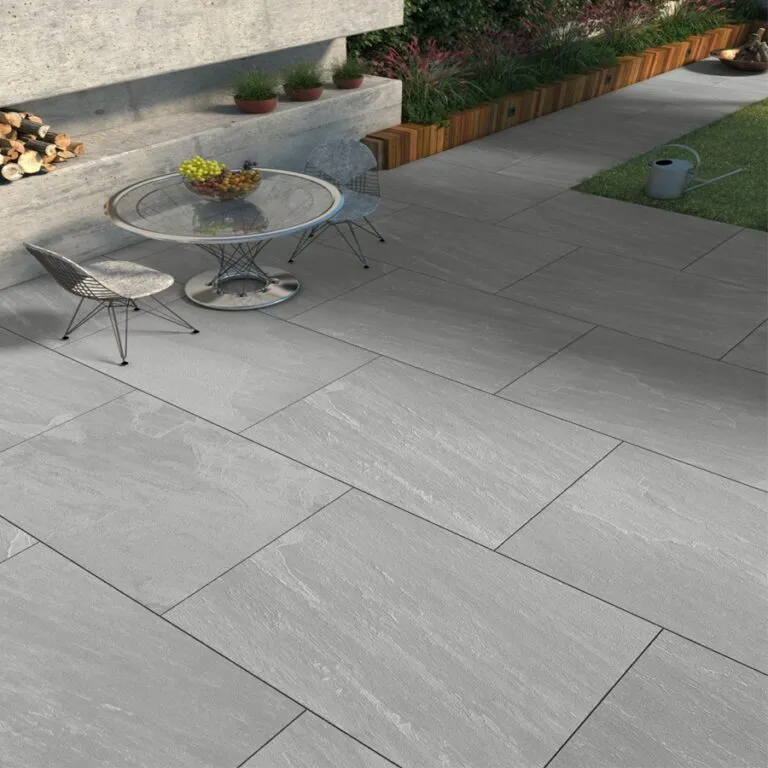
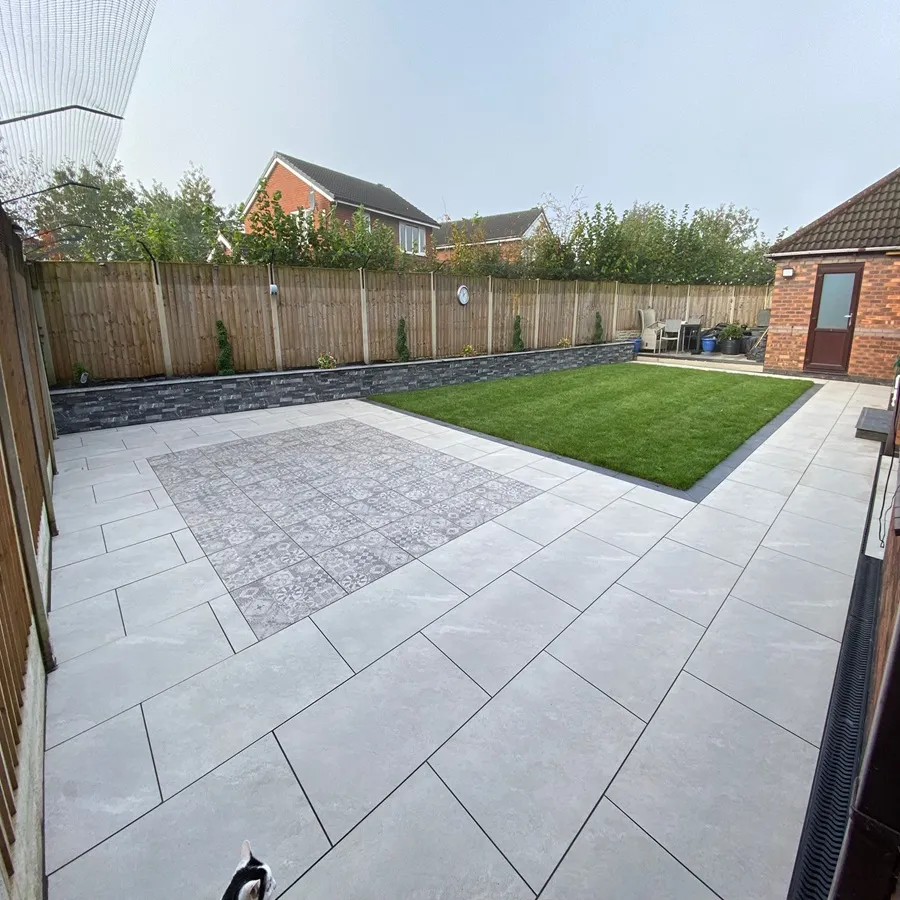
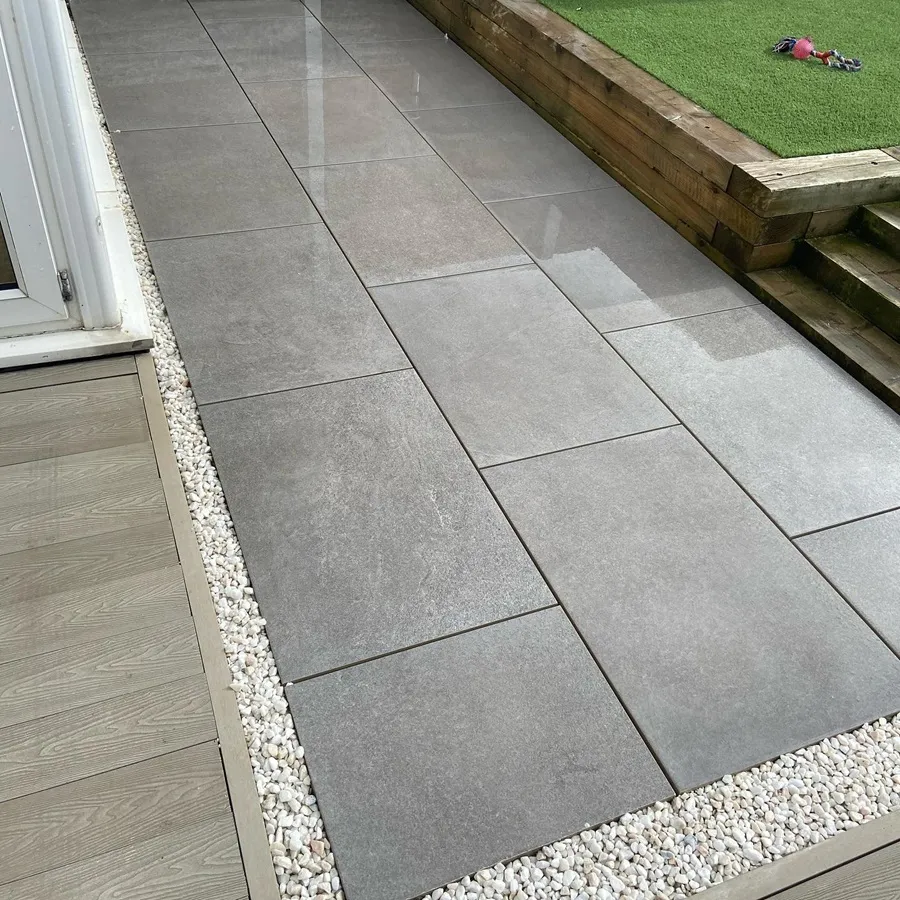
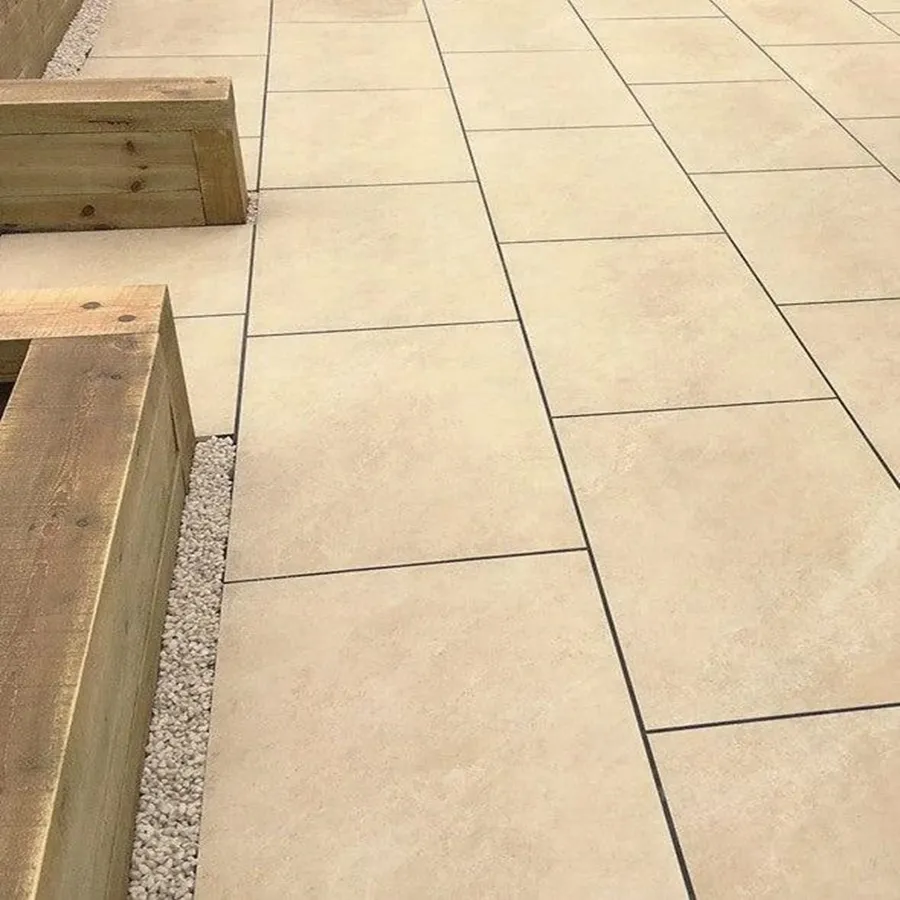
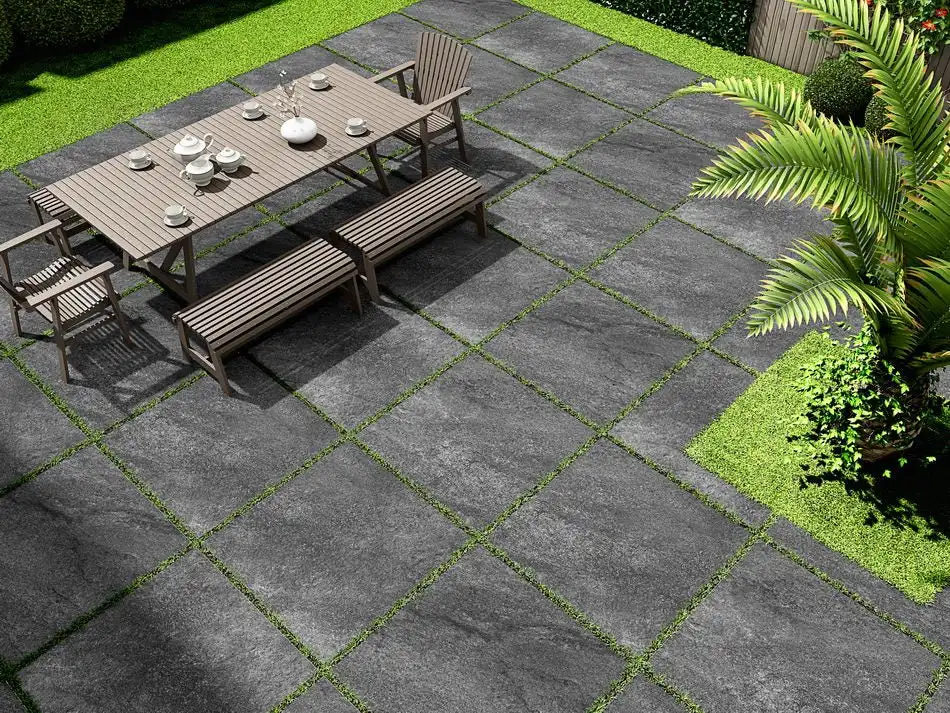
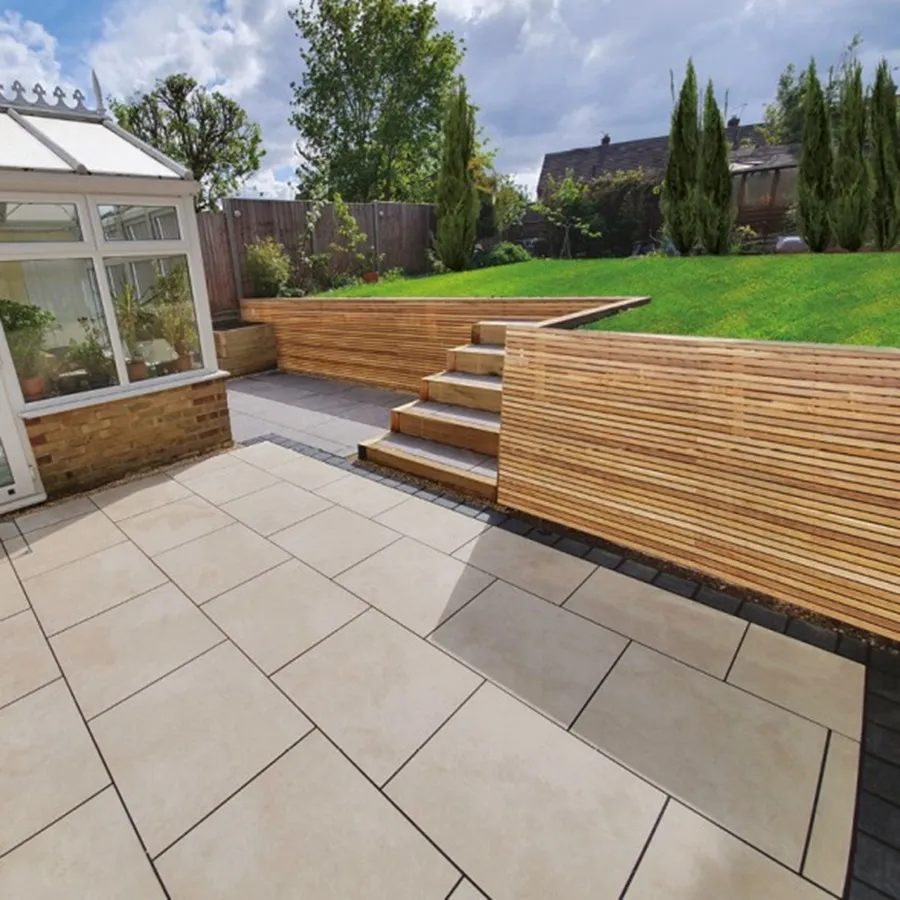
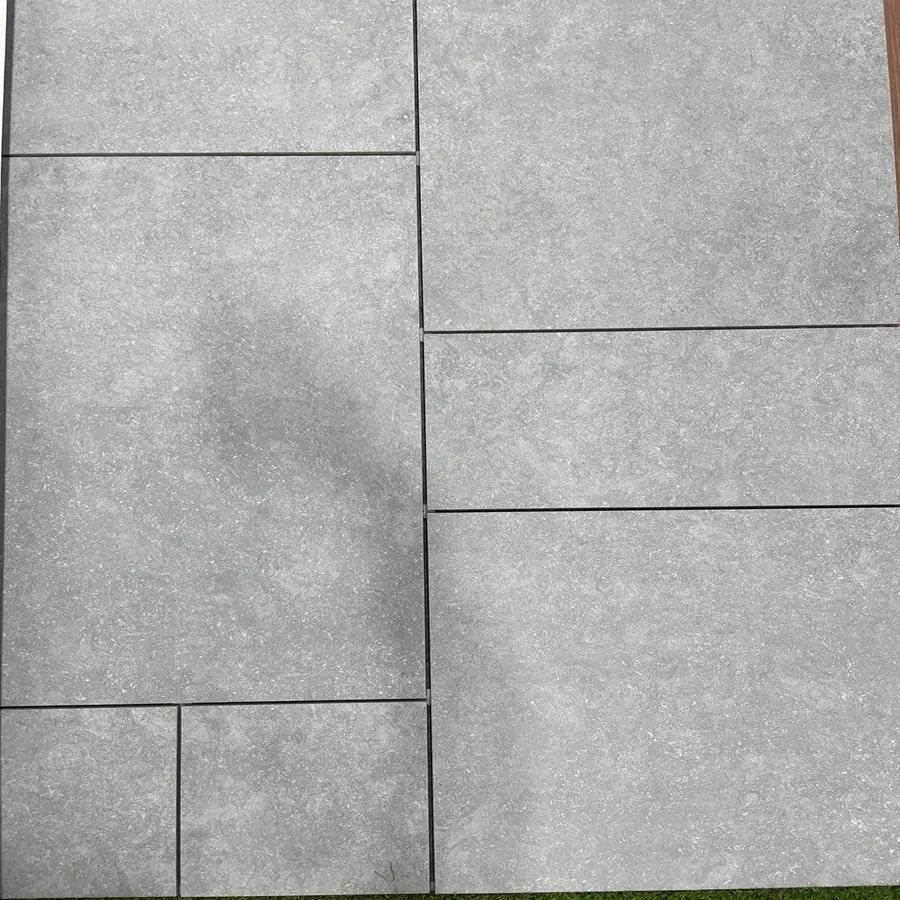
Explore the wider range — send us a design reference and we will match it.
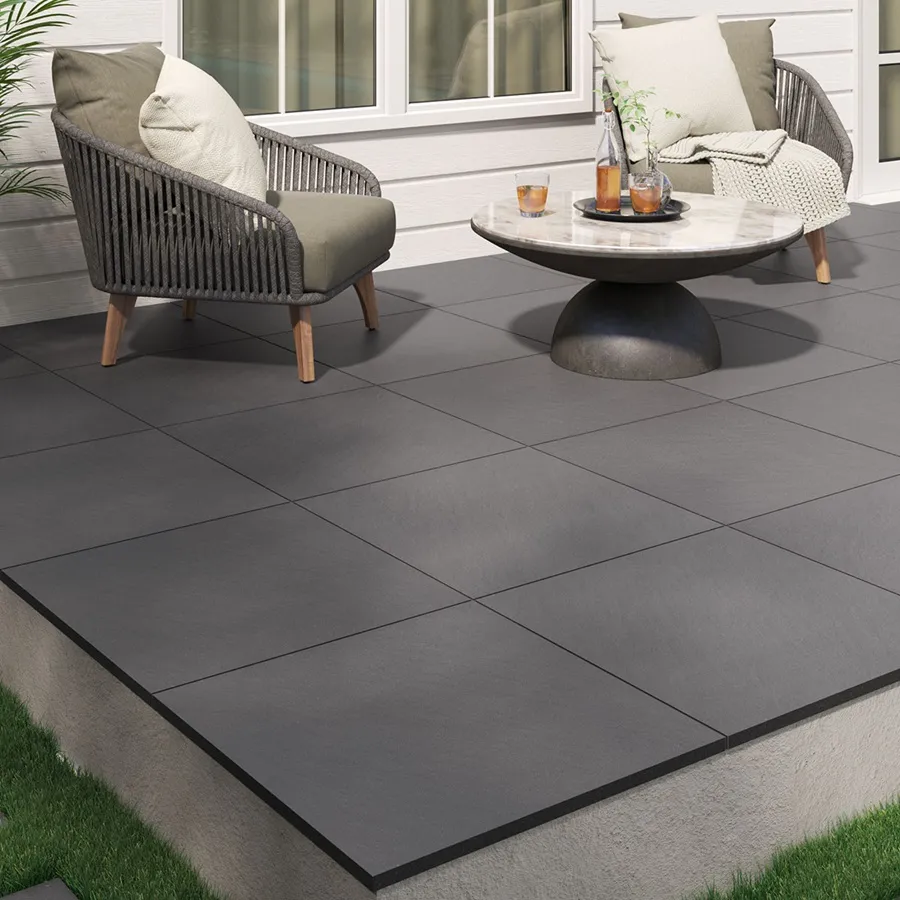
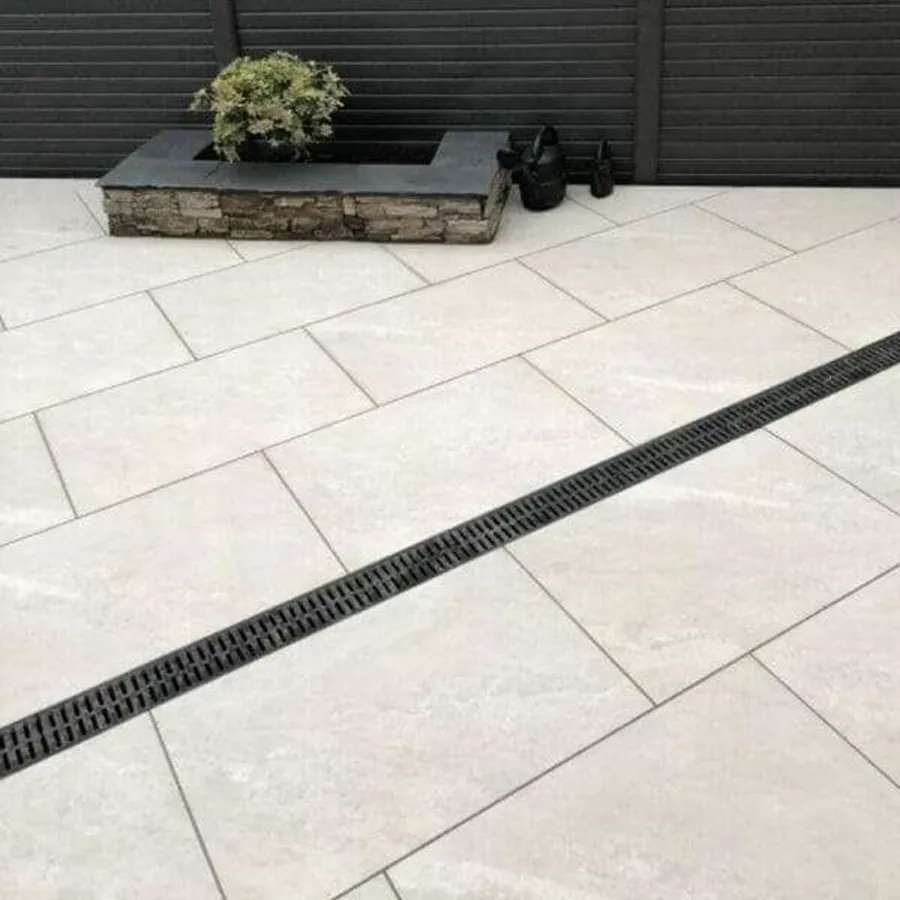
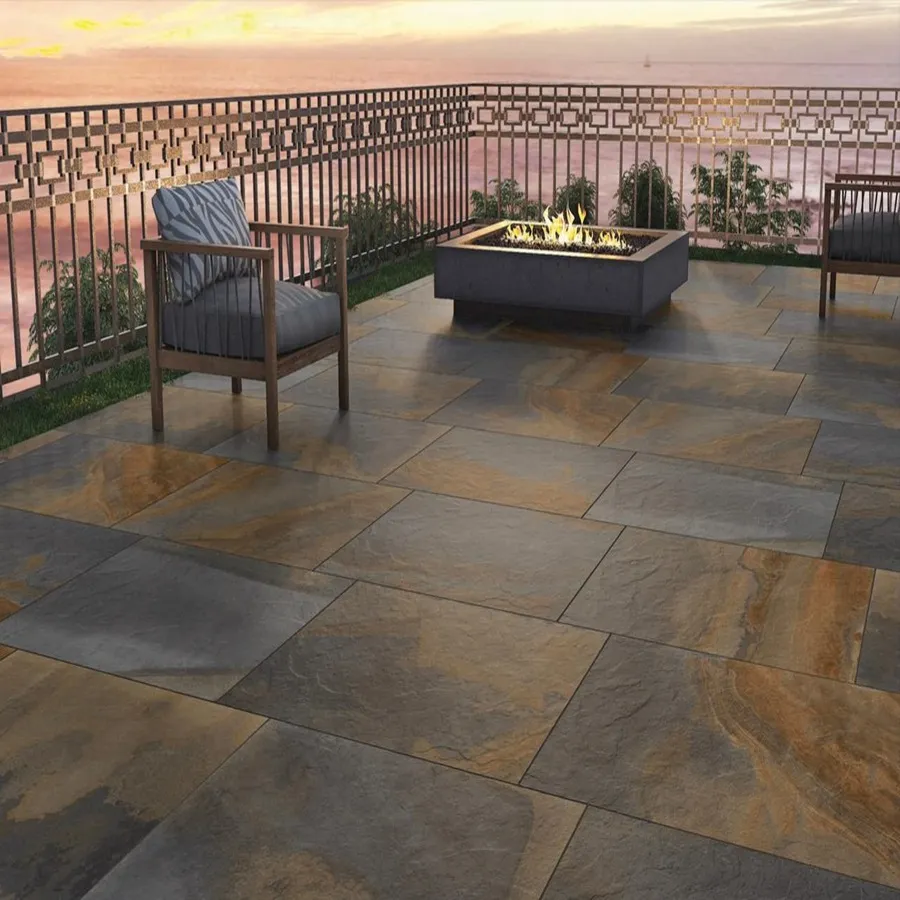
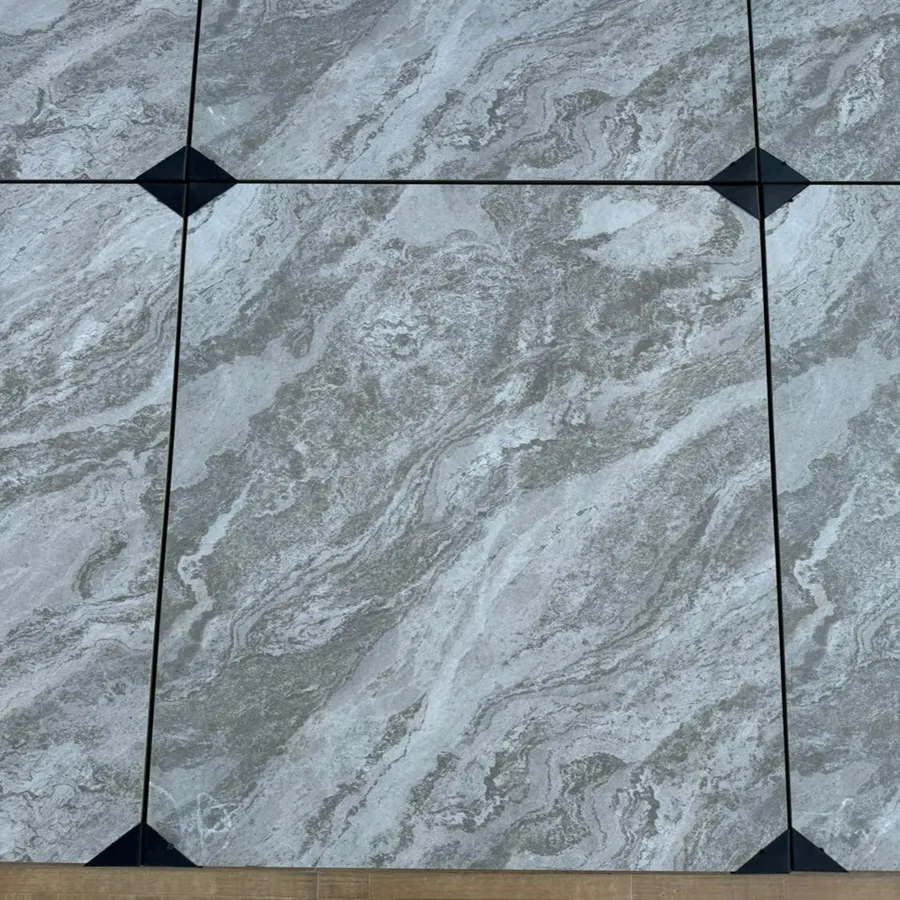
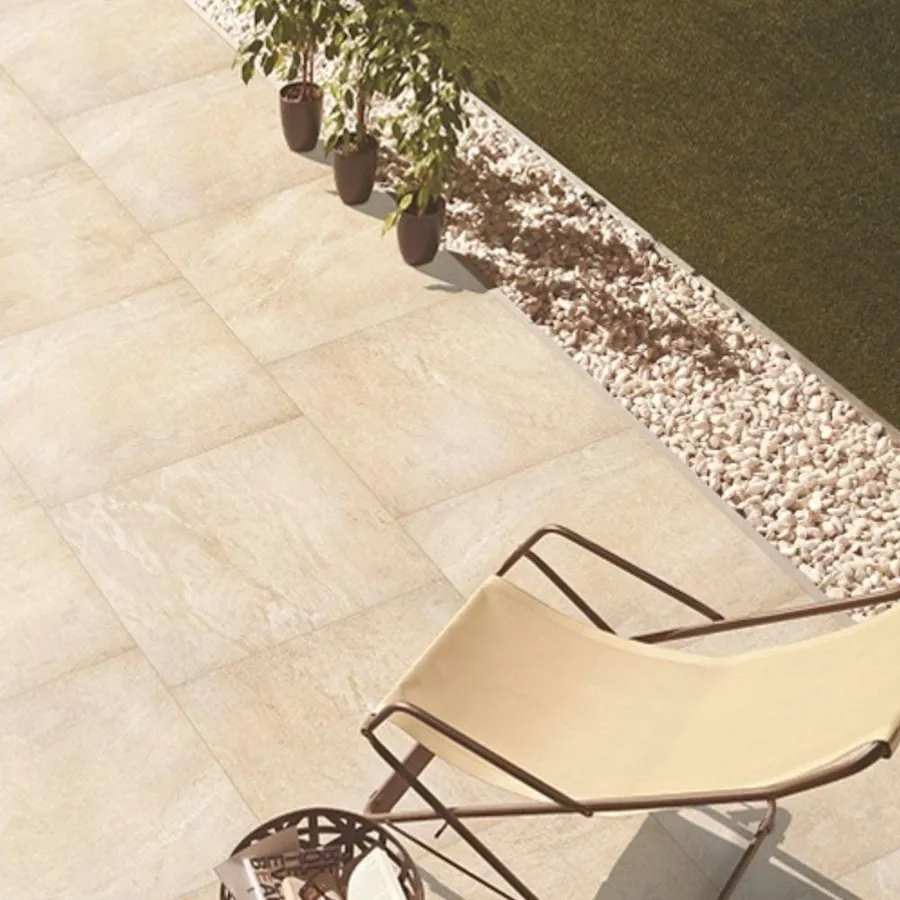
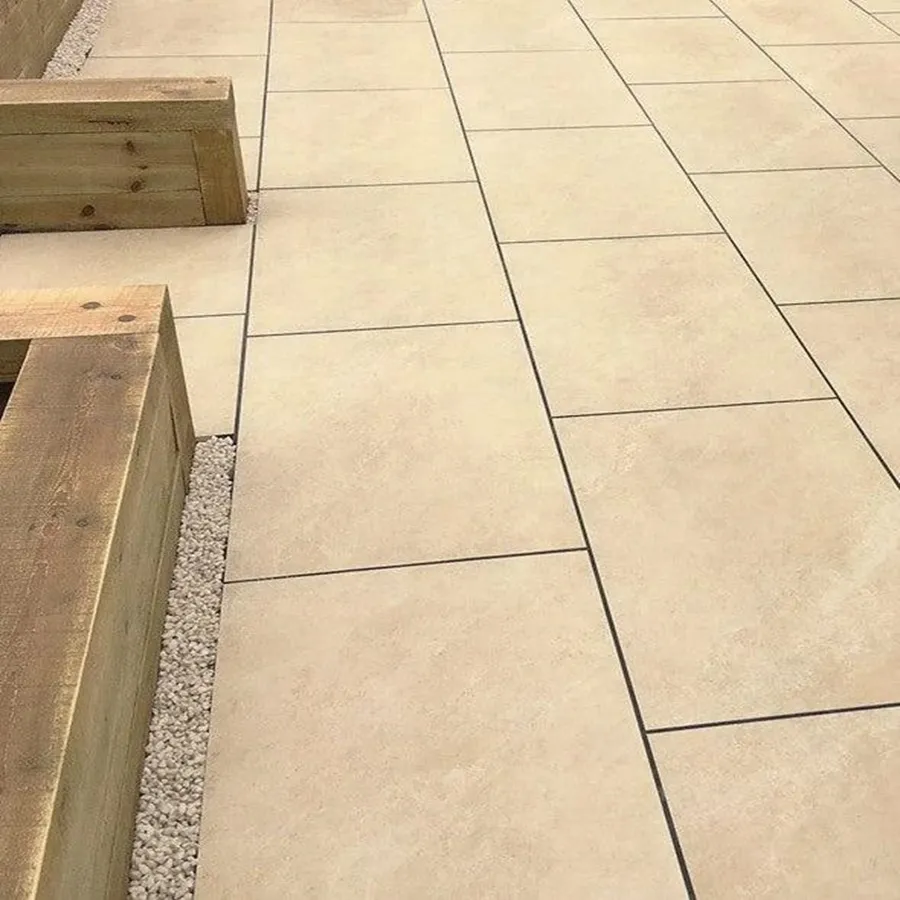
Porcelain behaves nothing like natural stone. A few honest notes, including the drawback most suppliers skip.
Never seal porcelain. This is the one thing people get wrong. Porcelain is non-porous — water absorption under 0.5% — so a sealant has nothing to bond to and serves no purpose whatsoever. Anyone selling you sealer for porcelain is selling you a product you cannot use.
20mm or nothing, outdoors. If porcelain is going outside or taking weight, 20mm thickness is essential. There are no shortcuts here. Indoor porcelain tiles are 8–10mm, have lower slip ratings, and are not designed for freeze-thaw conditions. Be cautious of porcelain sold without a stated R-rating — it may be indoor tile repurposed as outdoor paving.
It gets hot in direct sun — the honest trade-off. The non-porous surface that makes porcelain so low-maintenance is also why it retains heat: there is no moisture in the slab to evaporate and cool it down. Around a pool in full summer sun this is worth knowing before you commit. Natural stone breathes; porcelain does not.
Falls and drainage still matter. Porcelain will not absorb standing water, which means the water has nowhere to go but across the surface. Lay correct falls for drainage — pooling water on a porcelain patio stays there, and that is what reduces grip over time, not the slab itself.
Stain-resistant, fade-resistant and zero maintenance — built for outdoor living.
R11 grip in the wet, and algae struggles to take hold.
20mm porcelain over a properly reinforced base takes vehicle loads.
Certified R11 anti-slip — but expect heat underfoot in full sun.
Care & Maintenance
Porcelain needs no sealing and is easy to clean — that is the entire pitch, and it holds up. Sweep, then wash with water and a mild detergent. Because the surface is non-porous, stains cannot penetrate and simply lift off. There is no annual reseal, no colour-enhancing treatment, no special chemistry.
Keep the surface free from leaves, dirt and organic matter and the grip stays where it should. In shaded or damp areas, regular cleaning matters more — not because the porcelain degrades, but because a surface film of organic matter sitting on top of it can reduce slip resistance. The slab is fine; the film is the problem.
No, we do not stock in the UK. We only dispatch and manufacture from India on your orders.
It usually takes 4 weeks to 6 weeks to reach the UK from the order.
Porcelain can be mixed with different designs of Porcelain in a container, up to 3 designs per container. But Sandstone and Porcelain cannot be mixed together in one container.
It consists of 40 pieces of 600x900x20mm per pallet (21.6 sqm) and 31 pallets in one container. Total 670 sqm per container.
No problem, we have got you covered. While you order a full container of regular designs, we will send you 15 to 20 slabs of new porcelain designs so you can order with confidence.
You need a valid EORI code and VAT number to be able to import into the UK. Our price is not VAT included. FOB is the price of materials at the Indian Port.
Yes. We have trusted forwarders in the UK who take the materials from Mundra Port India and deliver straight to your yard. They handle customs, ocean freight and delivery in a curtainside truck, so you do not have to unload the container - you just take the crates out with your forklift.
No, never. Porcelain is non-porous with water absorption under 0.5%, so sealant has nothing to bond to and serves no purpose. This is one of its main advantages over natural stone, which needs sealing every one to three years.
Tell us the thickness, quantity and destination — we'll come back with pricing and confirmed lead times. No agents in between.
Weighing porcelain against natural stone? These are the closest comparisons.
Speak to our team for pricing, samples, MOQ details and shipping options to your country. Direct from India since 1996.