Quarry-Direct from India  ·  Est. 1996  ·  30 Years in Natural Stone
SandstoneLimestoneBasalt Kota StoneMarbleSlate QuartziteOutdoor Porcelain Rock BouldersPebblesRR CladdingThin Stone Veneer Steps & TreadsCopingsStone Fountains Vintage Indoor FlooringSandstone Patio PacksSlimsetts and Parquets Blogs ProjectsAboutContact

Indian Limestone · Manufacturer & Exporter Since 1996

Eight limestones, one supplier.

Kotah Blue, Kota Green, Kota Honey, Kotah Black, Ash Grey, Tandur Grey, Tandur Yellow and Chittor Black — cut, calibrated and finished across our four units, shipped worldwide from Mundra.

The Range

Eight Indian limestones we manufacture

Indian limestone is not one stone. It is a family quarried out of three separate belts, and the colour, grain and workable size change from belt to belt — often from bench to bench inside the same quarry. Several of these stones are also sold under two or three different trade names, so before you compare quotes, check you are comparing stones and not just names.

Best seller
Kotah Blue Limestone

Kotah Blue Limestone

Kota Blue · Blue Limestone

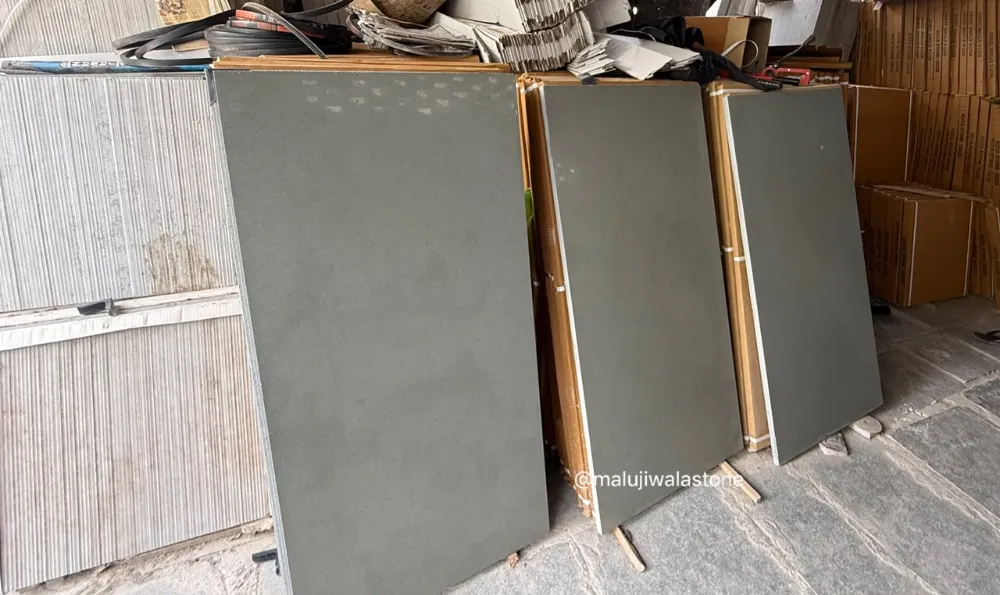
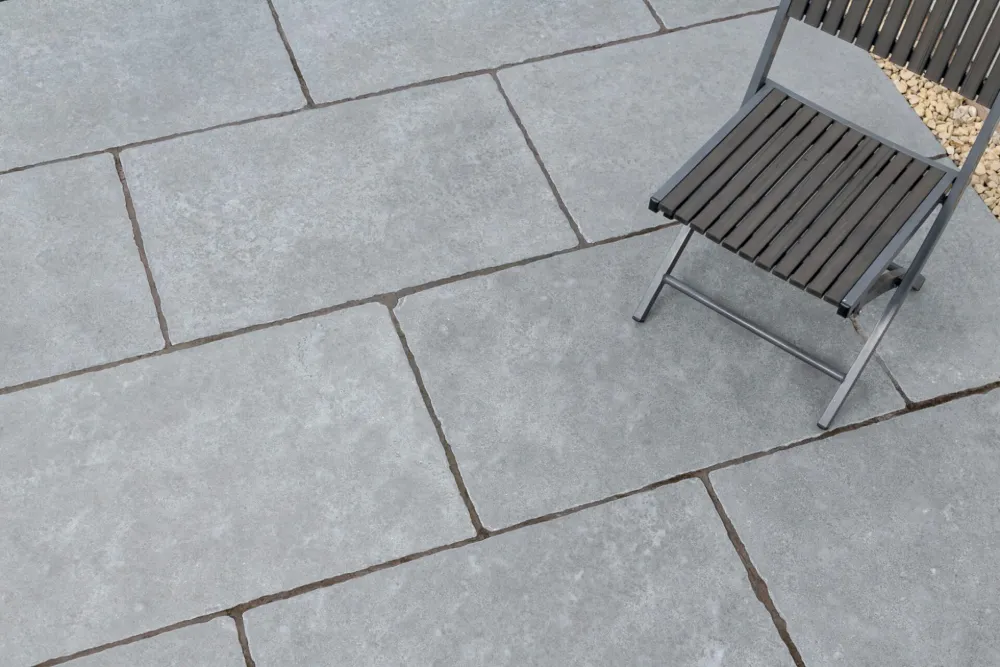
The stone the whole family is judged against. A cool blue-grey that reads steel-blue when honed and softer, greener-grey when riven or river-washed, with pale lining flakes running through it. Dense, fine-grained and the most consistently available of our limestones in large volumes.

View Kotah Blue →
Kota Green Limestone

Kota Green Limestone

Kota Stone · Green Kota · Kota Green Marble

This is the stone the Indian trade simply calls Kota Stone. Green-grey off the bed, deepening to a bottle green under polish and settling back to a muted grey-green in natural and semi-polished finishes. By area it is the most widely laid stone floor in India, and the most economical stone on this page. Sold domestically as "green Kota marble" too, though it is a limestone, not a marble.

View Kota Stone →
Kota Honey Limestone, also called Kota Brown or Kota Yellow

Kota Honey, Brown & Yellow

One stone, three trade names

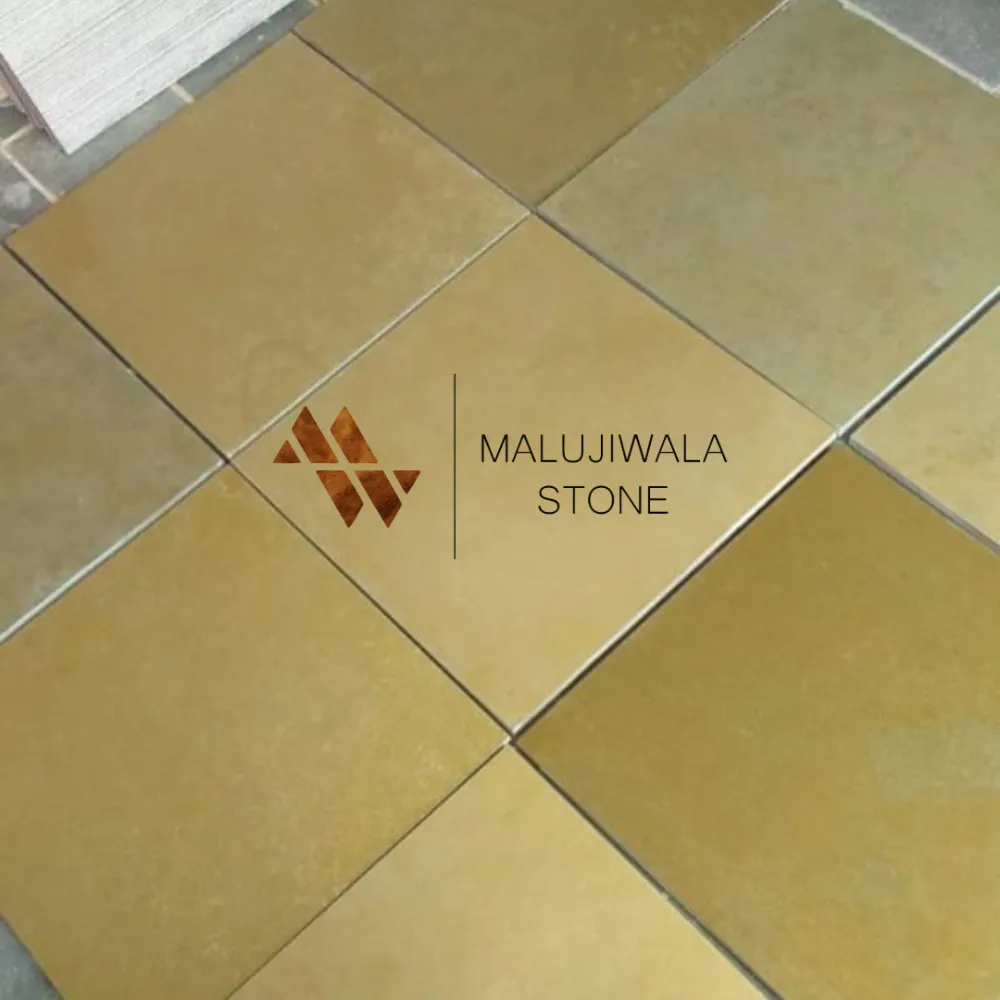
Warm amber and golden honey tones running through to yellow-brown and olive — quoted as Kota Honey, Kota Brown or Kota Yellow depending on which merchant you are buying from, but one stone off one bed. The natural face has a grippy texture that suits ramps, steps and courtyards, while honed and polished it turns into the warmest interior floor in the range.

View this stone →
Kotah Black Limestone

Kotah Black Limestone

Kota Black · Black Limestone

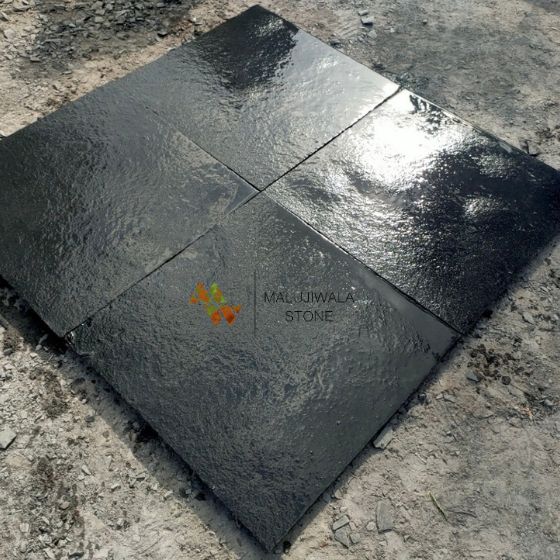
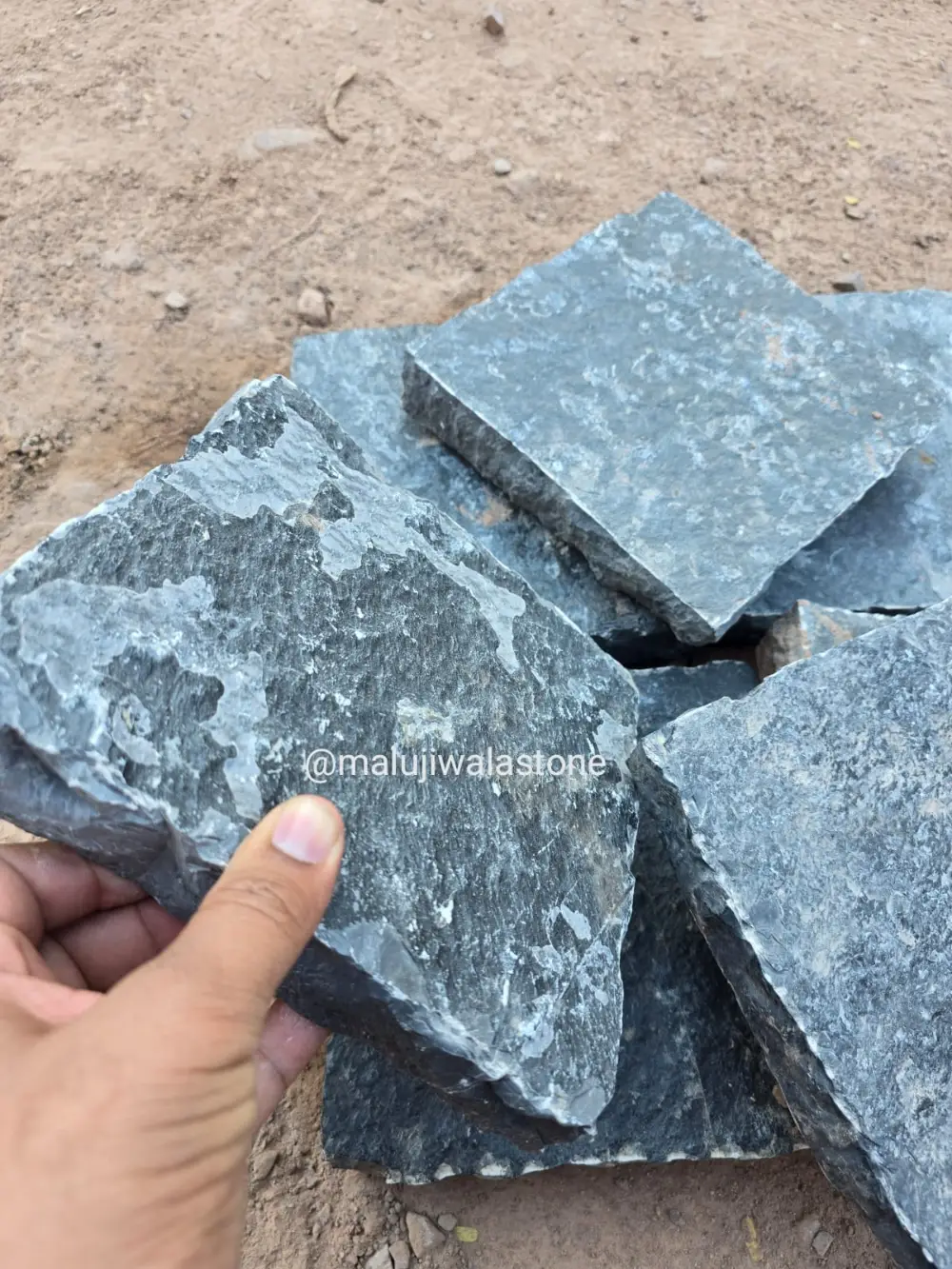
A deep charcoal-to-black bed that goes almost jet black when wet or polished and settles to a dark graphite grey in natural finish. Popular for pool surrounds, feature floors and contrast banding, and available as matching cobbles as well as slabs and tiles.

View Kotah Black →
Ash Grey Limestone

Ash Grey Limestone

Even mid-grey · Minimal tonal variation

The most tonally even stone in the range — a flat, quiet mid-grey with very little banding or movement across the slab. That consistency is exactly why specifiers reach for it on large uninterrupted floors, lobbies and ventilated façades, where a stone with strong figure would read as patchy.

View Ash Grey →
Tandur Grey Limestone

Tandur Grey Limestone

Tandoor Grey · Grey Limestone

Mid-to-dark grey with off-white cloud markings and a very fine, tight grain that takes a honed or leather finish beautifully. Splits naturally into thin, flat layers, so it is the stone to ask about when you want large formats at modest thickness for cladding and interior floors.

View Tandur Grey →
Tandur Yellow Limestone

Tandur Yellow Limestone

Yellow Limestone · Tandur Lemon

Pale lemon through to deeper ochre from the same southern belt as Tandur Grey, and the scarcer of the two — the yellow beds sit in fewer quarries and come out in smaller volumes. Worth planning lead time around if you need a single-batch colour match across a large area.

View Tandur Yellow →
Chittor Black Limestone paving

Chittor Black Limestone

Black Limestone · Chittorgarh Black

A dense black-with-grey-undertone limestone from the Rajasthan quarries, usually supplied hand-cut in natural split or tumbled finish rather than sawn. Its most common export format is free-length strip paving and setts, which makes it a natural choice for random-length garden paving and edging.

Request samples →
Where They Come From

Three belts, eight stones

Indian limestones are named after the town they are quarried beside, not after their geology — which is why buyers so often end up comparing two names for one stone, or assuming two stones are interchangeable when they are not.

01

The Rajasthan belt

The blue, green, honey, brown and black beds all come out of the same sequence of layered sedimentary rock in southern Rajasthan, along with the black quarried near Chittorgarh. Same family, different colour bands — which is why they calibrate and finish alike and can be laid together in one floor.

Kotah Blue · Kota Green (Kota Stone)
Kota Honey / Brown / Yellow
Kotah Black · Chittor Black
02

The Deccan belt

One long limestone formation runs across Telangana and northern Karnataka, and each town along it lends its name to the stone taken from it. Ours comes from the beds around Tandur, on the Telangana side — finer and more uniform than the stone worked further along the same formation, which is what makes it finish well for interiors and cladding.

Tandur Grey · Tandur Yellow
03

The southern belt

Further south again sits the grey limestone we supply as Ash Grey. It is the most colour-consistent stone we cut, and the one we recommend whenever a specification calls for large areas with minimal tonal variation.

Ash Grey
About the Stone

Limestone has been laid across floors, courtyards and public squares for as long as sandstone has, but it behaves differently underfoot and under tool. Where Indian sandstone splits into a pronounced riven surface, limestone comes off the bed flatter and finer — closer in character to European limestone paving than to riven sandstone — and it will take a genuine polish, which sandstone will not.

That fine grain is also what makes the range so versatile. The same slab can leave our units natural, honed, leather-finished, sandblasted or mirror-polished, and each finish changes the colour noticeably. It is the single biggest reason buyers are surprised by delivered stone: they approved a photograph of a honed sample and specified a natural finish, or the other way round.

Large limestone slabs are genuinely harder to source in India than large sandstone, so consistency of supply matters more than headline price. We have been cutting and finishing this stone since 1996 across four manufacturing units, and every consignment is checked for thickness, colour band and edge before it is packed.

We supply the Indian trade direct and export worldwide — the United Kingdom, Europe, the United States, Australia and across Africa — as the manufacturer, with no merchant or agent in between.

Price from₹21 / sq. ft.
Stone TypeNatural Limestone
Varieties8 colourways
OriginIndia — multiple quarry belts
Finishes10 available
FormatsSlabs, tiles, cobbles, steps
ApplicationsPaving, flooring, cladding
Manufacturing Since1996
Sizes & Finishes

Cut and calibrated to your spec

The sizes below are what we run as standard on the Rajasthan limestones. Every stone on this page can also be cut to size, and thickness can be held tighter or looser depending on whether you are laying on mortar or on pedestals.

SpecificationWhat we run as standard
Standard sizes2′×2′, 4′×2′, 5′×2′, 22″×22″, 22″×16″ (also called 2′×1.5′)
Calibrated thickness18 mm, 22 mm, 25 mm
Uncalibrated ranges18–25 mm, 25–30 mm, 30–40 mm, 40–50 mm
Cut to sizeYes — length, width and thickness to your drawing
Other formatsCobbles and setts, steps and treads, copings, kerbs, wall cladding
PackingBack-calibrated tiles with plastic corner guards; seaworthy crates for export

Available Finishes

Natural / RivenSawnHonedMirror Polish Leather / Lapatro / SatinSandblastedRiver Wash Bush-HammeredTumbled & BrushedAntique

Not every finish suits every stone — polish shows best on the green, blue and grey beds, while the naturally cleft stones are usually left natural or lightly tumbled. Tell us the application and we will tell you which finishes we would actually recommend.

Where It's Used

Paving, floors & more

Garden Paving

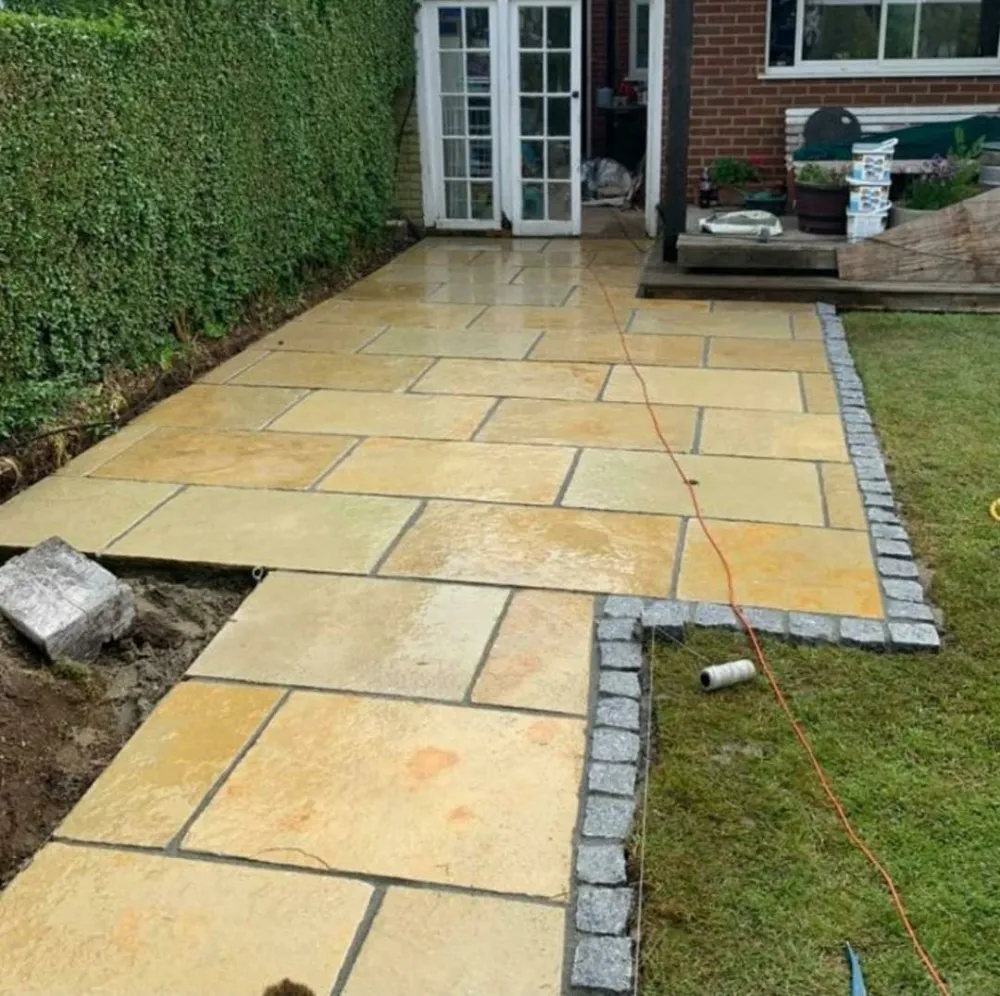
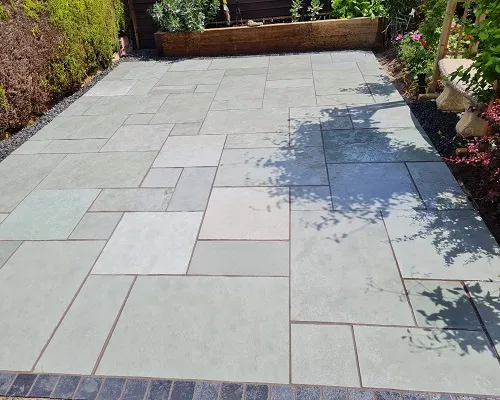
Flatter and finer than riven sandstone — a more refined surface for patios, terraces and pathways.

Indoor Flooring

The default stone floor across much of India — hard-wearing, repairable and available in real volume.

Wall Cladding

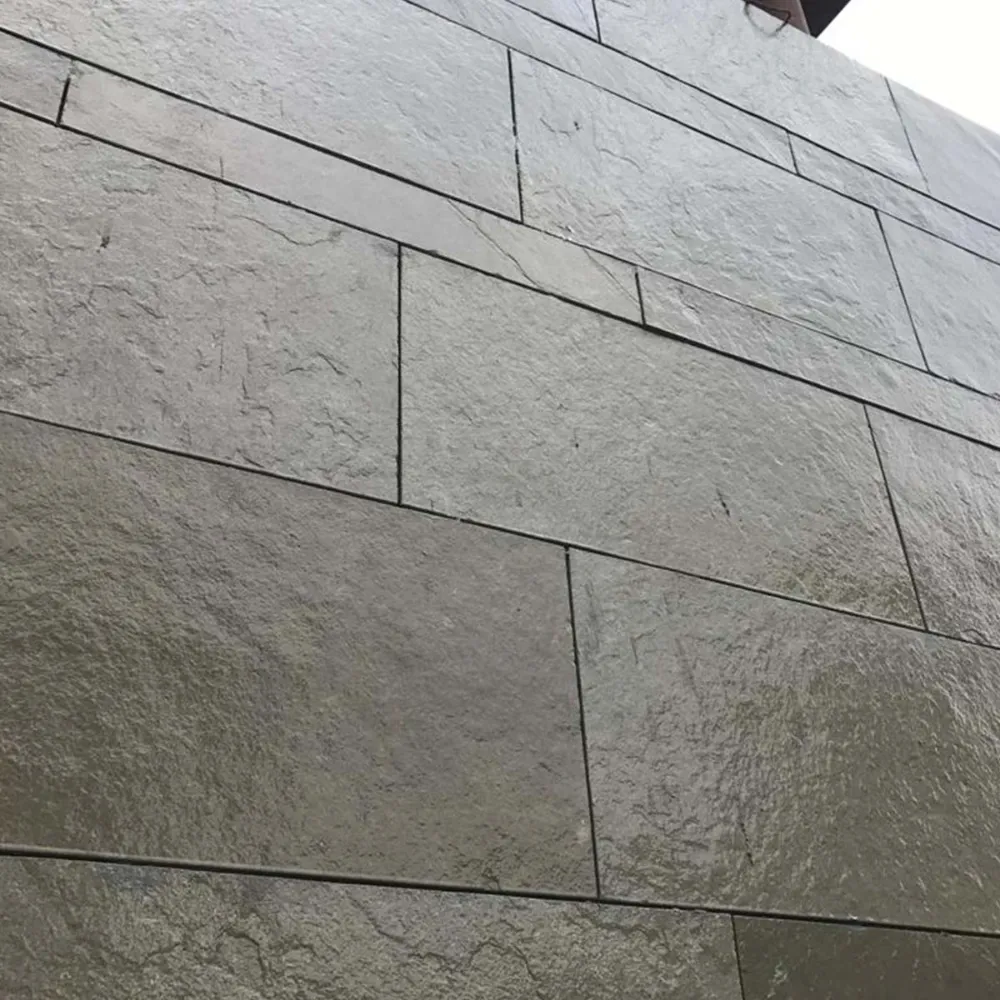
Thin, flat-splitting beds like Tandur Grey clad large elevations without loading the structure.

Commercial Floors

Consistent enough in colour and thickness to run across airports, hotels, campuses and public squares.

Questions

Limestone, answered

Eight: Kotah Blue, Kota Green (sold across India simply as Kota Stone), Kota Honey — the same stone also quoted as Kota Brown or Kota Yellow — Kotah Black, Ash Grey, Tandur Grey, Tandur Yellow and Chittor Black. We are the manufacturer for all of them, so a single order can mix varieties in one container.

Yes. When someone in India says "Kota Stone" without qualifying it, they mean the green-grey bed we list here as Kota Green — the same stone also sold as green Kota, Kota green marble or green Kota flooring. One other name on this page works the same way: Kota Honey, Kota Brown and Kota Yellow are one stone, not three. Ask us by any of those names and you will get the same material.

It is a natural sedimentary stone, so treat it as one. We recommend an impregnating sealer on the lighter colourways, on honed and polished surfaces, and anywhere exposed to oil, wine, citrus or de-icing salt — kitchens, dining terraces and pool surrounds especially. Darker riven stones laid outdoors are more forgiving. Tell us the application and we will advise honestly rather than sell you sealer you do not need.

As standard we run 2′×2′, 4′×2′, 5′×2′, 22″×22″ and 22″×16″, calibrated at 18 mm, 22 mm or 25 mm, and uncalibrated in 18–25, 25–30, 30–40 and 40–50 mm ranges. Anything can be cut to size. Available sizes vary by variety — the scarcer beds come out smaller — so confirm with us before you fix a slab layout.

Yes, in several of these stones — Kotah Blue and Kotah Black cobbles are stock items, and steps, treads, copings and kerbs are made to order. Tell us the profile and dimensions and we will confirm which varieties we can supply it in.

Not on this page. These stones have not been independently tested to the European standards for slip, freeze–thaw and abrasion resistance, and we would rather say so than publish numbers we cannot stand behind. If your project needs certified test data, tell us which characteristic and which standard and we will discuss commissioning the testing.

In India, prices start from ₹21 per square foot ex-works for Kota Green and rise with the variety, thickness and finish — the polished, honed and scarcer colourways sit well above that. Export orders are quoted FOB Mundra on request, because the rate depends on your specification, volume and destination port.

Roughly two weeks to FOB Mundra for stocked specifications, and longer where a variety has to be cut and finished to order. CIF deliveries run from around four weeks depending on the route, and we handle door delivery into the UK and USA. Payment is against documents.

Get a Quote

Limestone, direct
from the manufacturer.

Tell us the variety, finish, size, quantity and destination. We will come back with pricing and confirmed lead times — no agents in between.

India: limestone from ₹21 per sq. ft., ex-works, excluding freight and packing. Export: quoted FOB Mundra on request.

WhatsApp a Limestone Enquiry →
FOB Mundra≈ 2 weeks
CIF Delivery4 weeks+
Door DeliveryUK & USA
PaymentAgainst B/L
SamplesShipped worldwide
Explore More

Related products

Buyers who specify limestone often pair it with these. All manufactured by us, all shipped together.

Ready to source limestone
direct from the manufacturer?

Speak to our team for pricing, samples, MOQ details and shipping options to your country. Manufacturing and exporting from India since 1996.

Chat with us on WhatsApp