CNC Stone Murals
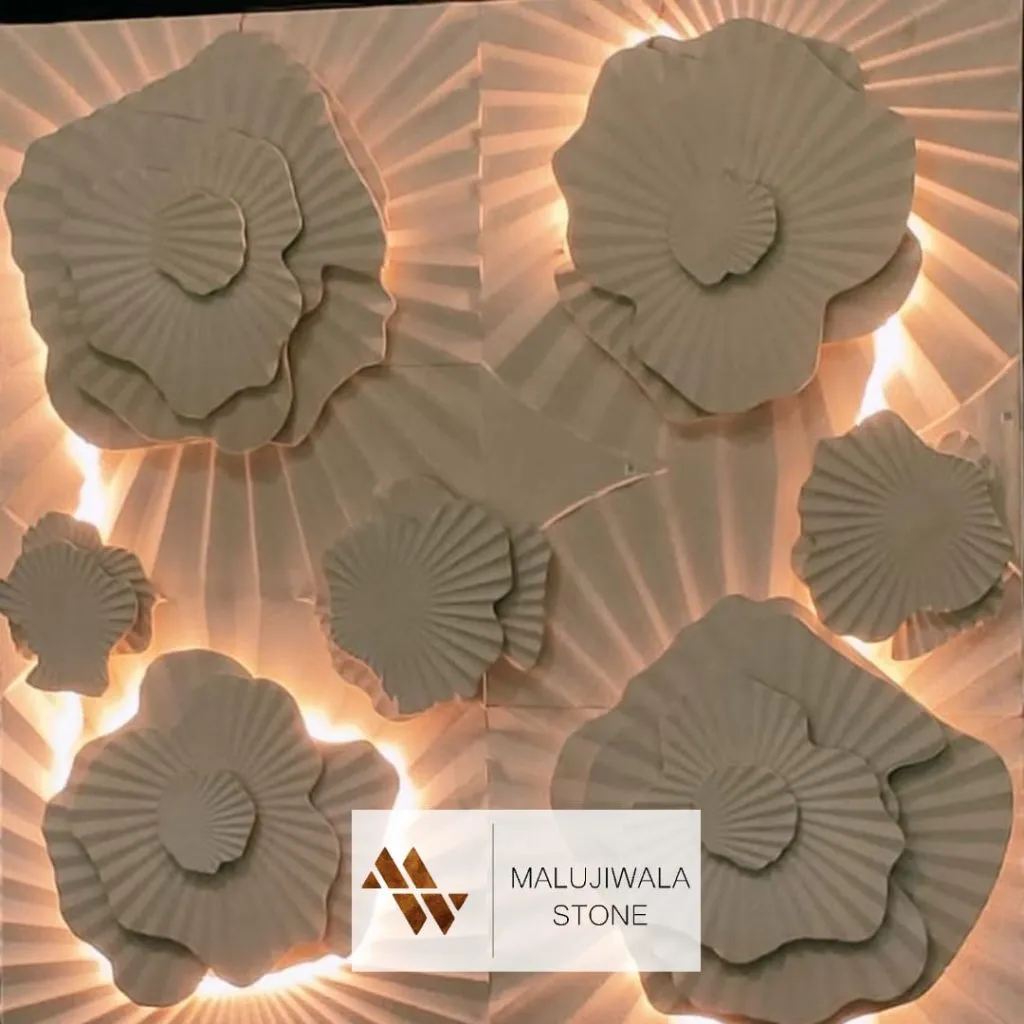
Wall panels, sacred murals, sculpture and facade detail, carved to order by CNC from your drawing and finished by hand.
From ₹650 / sq. ft. + GST
CNC murals pageA Malujiwala Stone brand
Three products for natural stone, from the people who cut it: CNC-carved stone murals, an acid proof epoxy for industrial floors, and an anti water absorption sealer that keeps water out of the stone.
Orchid Surfaces is our name for the work that goes beyond the slab: stone carved to your design, the grout that holds an acid-resistant floor together, and the sealer that protects stone once it is down. All three come from Malujiwala Stone Company, manufacturing natural stone since 1996.
Wall panels, sacred murals, sculpture and facade detail, carved to order by CNC from your drawing and finished by hand.
From ₹650 / sq. ft. + GST
CNC murals pageA three-part epoxy for bedding and jointing Mandana stone, Kota stone and acid-resistant tile in pharma, dairy, food and chemical plants.
From ₹800 / kg + GST
Acid proof epoxy pageAn impregnating sealer that soaks into sandstone, limestone and Kota stone and lines the pores, so water runs off instead of being drawn in.
From ₹1,450 / kg + GST
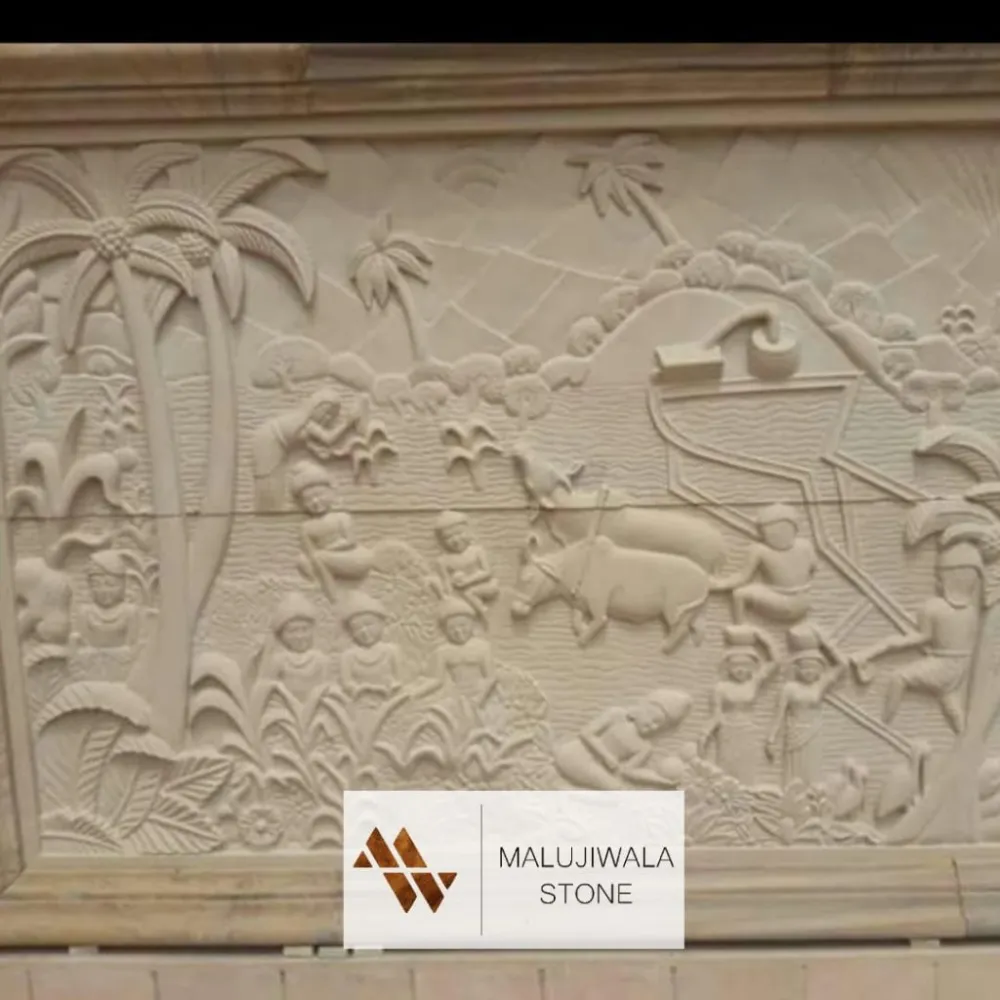
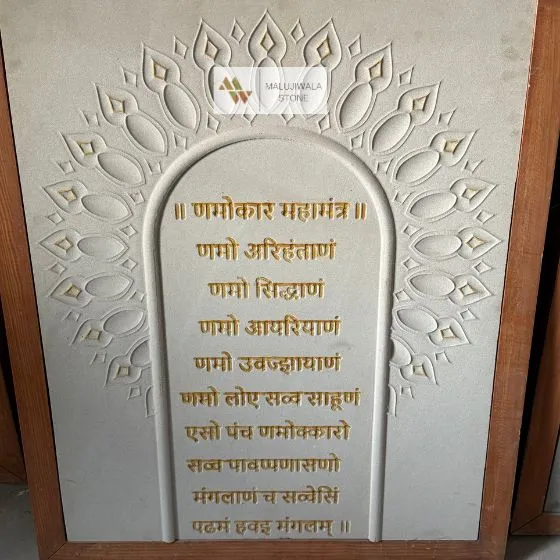
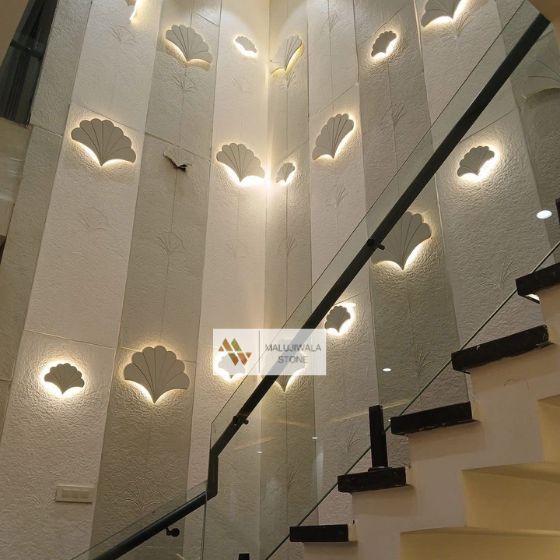
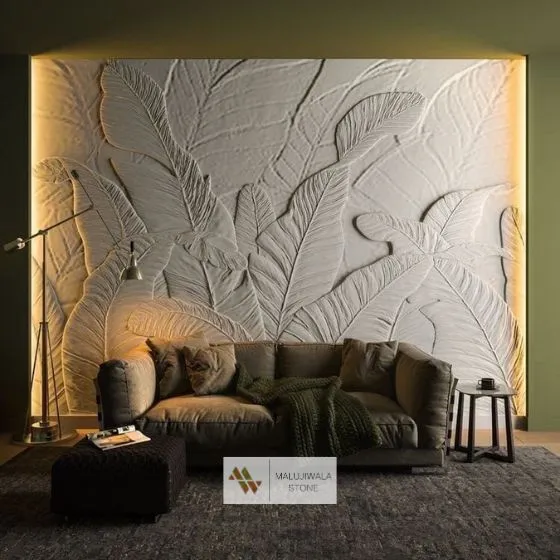
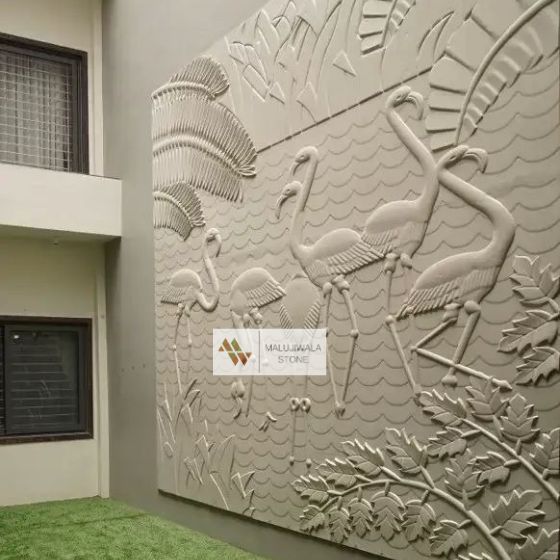
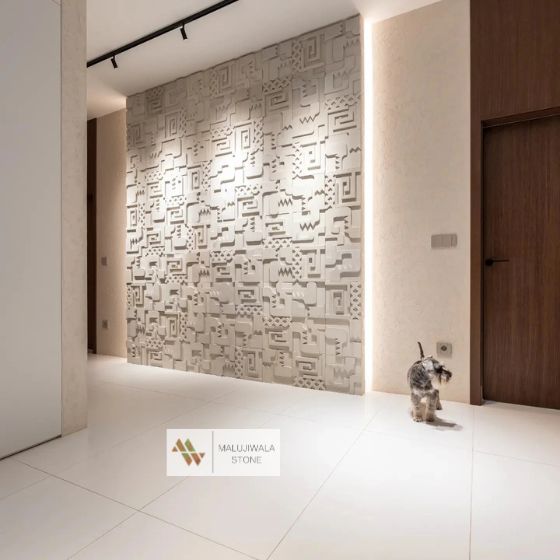
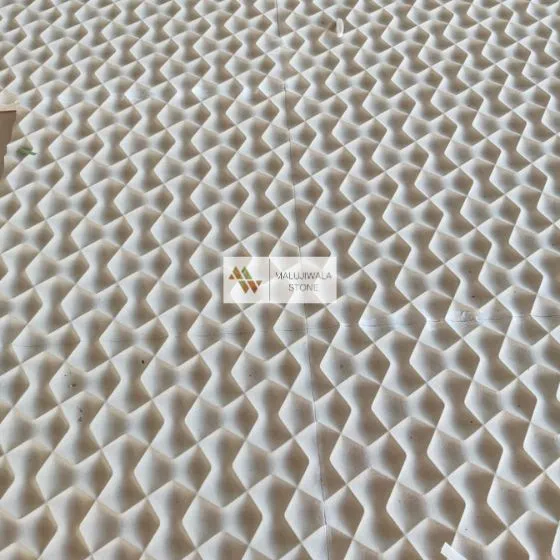
Stone sealer pageA CNC machine follows a tool path built from your drawing, so fine detail — lettering, floral borders, a Namokar Mantra panel — comes out exactly as drawn, and the same design can be repeated panel after panel. Our artisans then take over for the finishing a machine cannot do.
Because the machine does not charge by the hour, intricacy costs far less than it does by hand. A detailed design is not automatically an expensive one, and that is usually the surprise in the quote.
We have carved wall panels, murals, sculpture and facade detail for homes and commercial buildings across India, including temple and religious work.
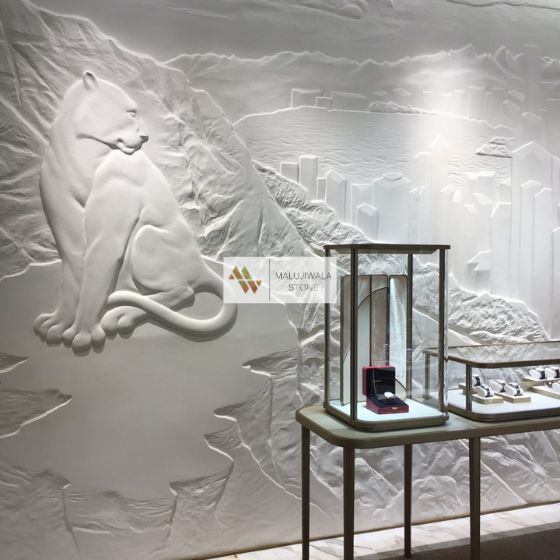
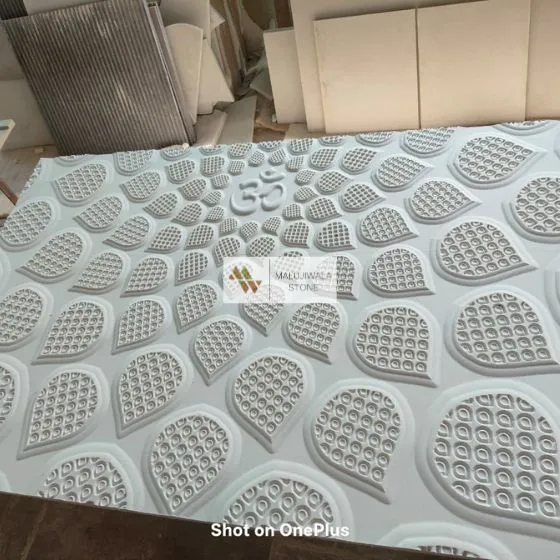
A clear photograph or a hand sketch is enough to quote from and to build the tool path. You do not need CAD files.
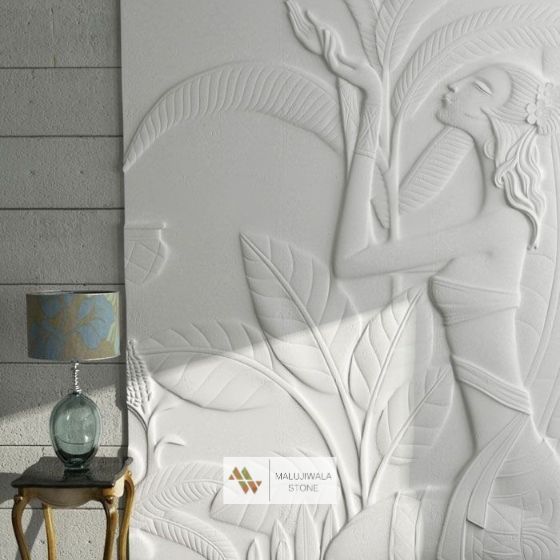
Deep relief in pale White Mint reads through shadow and wants directional light. Red Mandana and Kandla Grey hold their own shadow under flatter light.
Carved panels are heavy. Settle the wall build-up and fixing before we cut — splitting a design into panels is easy at the drawing stage and hard after.
A soft dry brush for dust. Never pressure-wash a carving or use an acid cleaner; both strip fine detail from soft stone.
The full portfolio, the five stones compared and the commissioning FAQ are on the CNC stone murals page.
Mandana stone resists acid by itself, which is why it has lined Indian chemical and pharmaceutical plants for decades. The weak point is the joint. A porous joint lets acid, effluent or milk reach the screed, and the floor starts failing from underneath, where nobody sees it until it lifts.
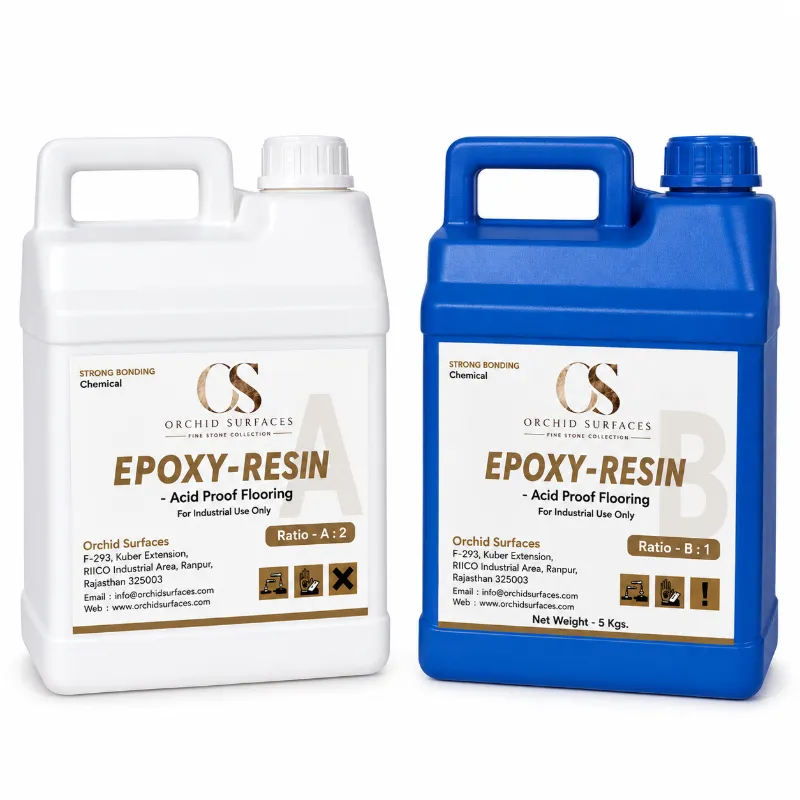
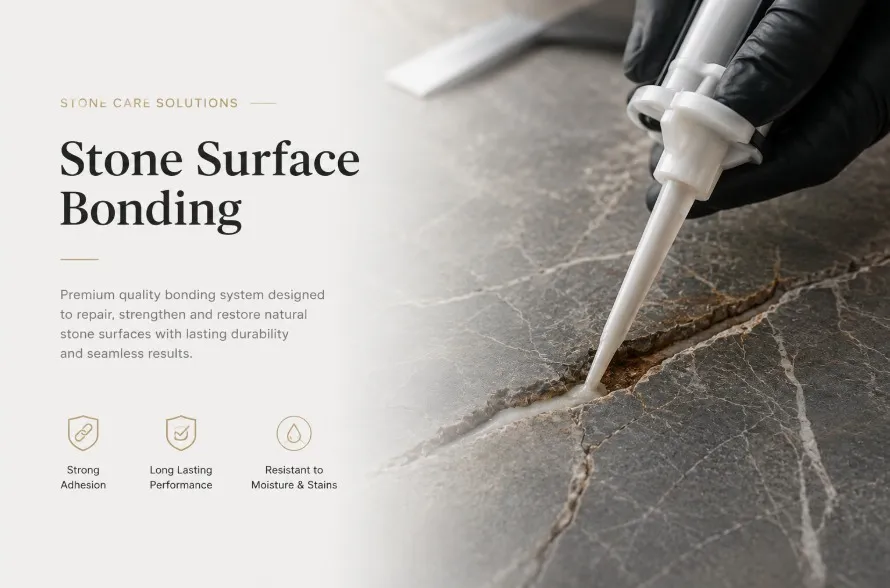
Orchid acid proof epoxy comes as a three-part kit — resin, hardener and graded filler — with no cement and no water in it. It sets into a hard, non-porous joint that bonds to the stone and takes caustic wash, soda ash and hot water. The same material beds the slab and fills the joint.
It is not the cheapest epoxy grout on the market and is not priced to be. It is bought by plants that face audits and would rather not reopen a floor in the middle of a shutdown.
Production halls, wash bays and corridors where the floor is part of the hygiene file.
Milk trapped in an open joint sours where it sits. A sealed joint is the whole point.
Acid handling areas, effluent channels, tank farms and bund floors.
Where spilled acid would otherwise track down the joint and lift the floor off its bed.
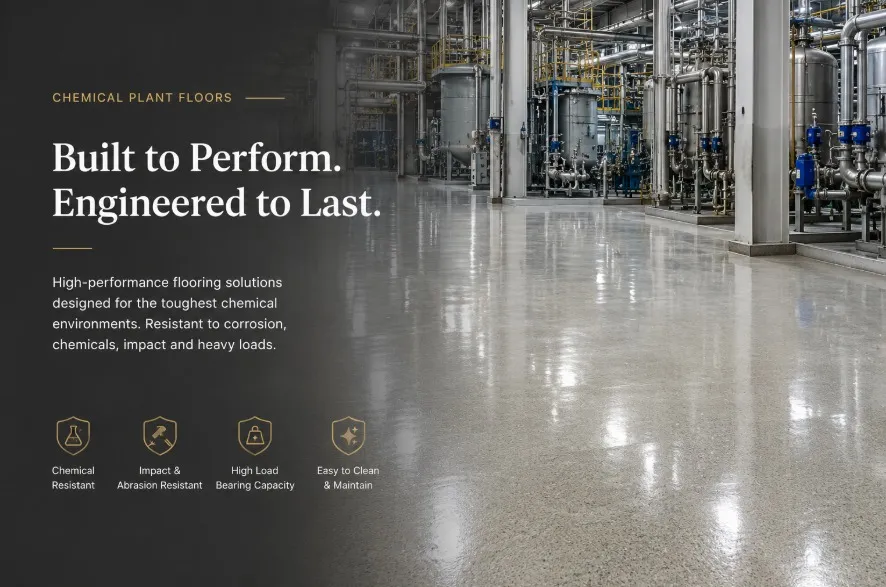
No product passes an audit on its own — the floor system and its paperwork do. We do not print compliance claims we cannot hand you a document for.
The six-step laying method, the full specification table and ten buyer questions are on the acid proof epoxy page.
Natural stone is porous, and sawn stone most of all — cutting a block opens pores that the natural riven face kept closed. Water carries dirt, mineral salts and stains in with it: cooking oil, leaf tannin, rust from garden furniture.
Orchid anti water absorption sealer is an impregnating sealer. It is not a coating that sits on top; it soaks into the stone and lines the pores, so water beads and runs off instead of being drawn in. An impregnating sealer is meant to leave the stone looking as it did, but always test on an offcut first.
It does the most for sawn and honed sandstone, and for limestone and Kota stone in kitchens, patios and other hard-used areas. Dense basalt and granite often need no sealer at all, and we will say so if yours does not.
Seal a spare piece, let it dry and check the colour. Note how much you used per square metre — that is your coverage figure for the job.
For sawn paving, coat the top, bottom and edges before the stone goes down. It is the best single defence against salts rising through the slab and dark “picture-frame” edges.
Once the stone is laid and grouted, a final coat over the surface finishes the job.
Splash water on the stone. If it beads, the sealer is working. If the stone darkens, it is time for another coat.
Never use acid cleaners on sealed stone. They etch limestone and Kota stone permanently and strip the sealer from sandstone.
Which stones need sealing, and when, is covered in more depth on the stone sealer page.
Most projects buy these from different people — a stone vendor, a carving workshop and a chemicals dealer — and the gaps between them are where jobs go wrong: a grout that does not suit the joint width, a sealer that darkens the stone, a mural cut thicker than the wall can carry.
We cut the stone at our own units, carve it on our own CNC, and supply the epoxy and the sealer alongside it. Laying crews can be arranged anywhere in India, charged separately. On export orders, grout and sealer can travel in the same container as the stone.
Orchid Surfaces is a Malujiwala Stone brand covering three products that go with natural stone: CNC-carved stone murals, a three-part acid proof epoxy grout for industrial floors, and an anti water absorption sealer. All three are supplied by Malujiwala Stone Company, which has manufactured natural stone since 1996.
From ₹650 per square foot plus GST, ex-works. Murals are made to order, so the final price is quoted against your design, the stone and the finished size. Send a drawing, a photograph or a rough sketch and we will quote from that.
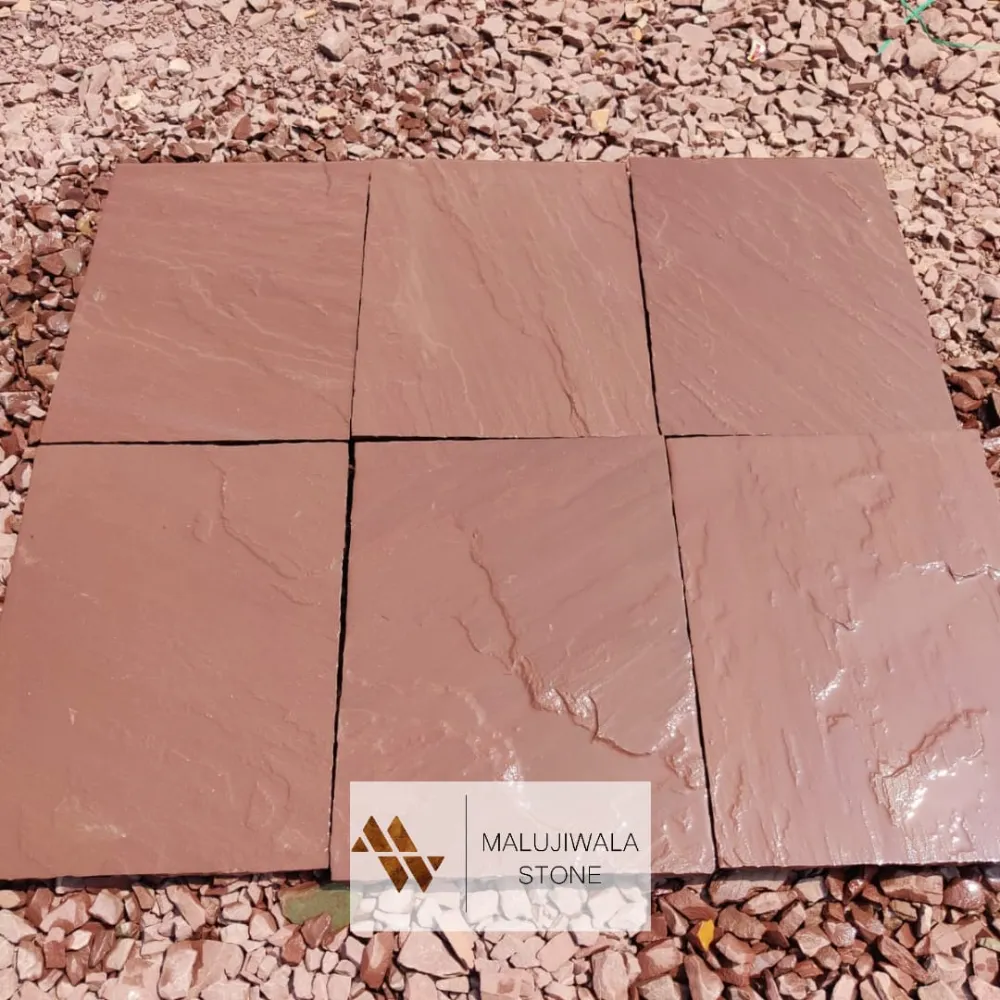
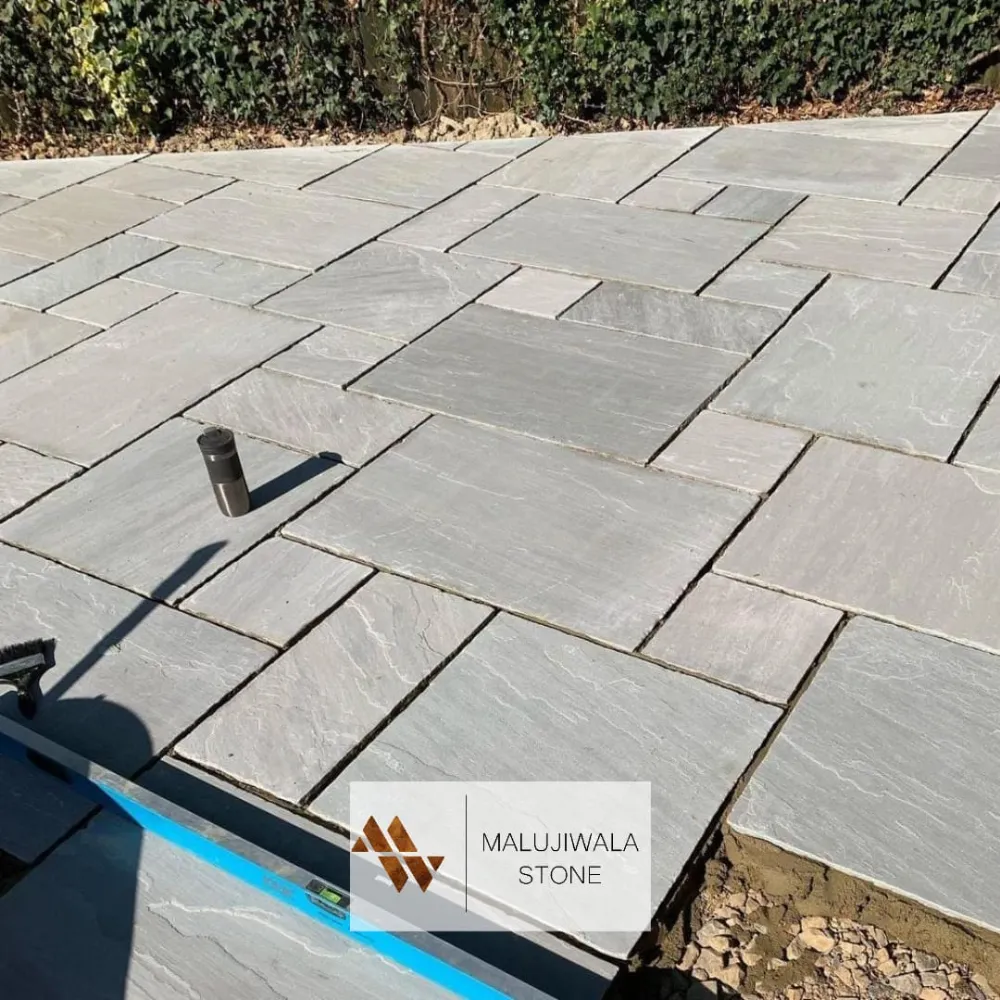
The five we carve most are White Mint, Yellow Mint, Red Mandana, Kandla Grey and Khareda, and other stones are possible on request. Pale White Mint suits deep relief under directional light; darker Red Mandana and Kandla Grey hold their own shadow under flatter light.
Acid-proof cement is cheaper and works on lightly used floors. The difference shows over time: a cement-based joint stays porous and absorbs what is spilled on it, while a cured epoxy joint does not absorb, does not shrink back from the slab and survives soda ash and hot-water cleaning.
Yes. It is used on Kota stone, acid-resistant brick and tile, vitrified and ceramic tile, granite and marble. Mandana and Kota are the two floors it is specified for most often in India.
No single product passes an audit; the floor system and its documentation do. Ask us for the technical data sheet and the safety data sheet before you write the specification, so your quality team can check them against your own protocol.
It soaks into the stone and lines the pores, so water, oil and dirt stay on the surface instead of being drawn in. That cuts down staining and the white salt marks that come up through unsealed paving. It is an impregnating sealer, not a surface coating.
An impregnating sealer is meant to leave the stone looking as it did, but every stone is different, so seal an offcut first and check it once it is dry before you do the whole area.
Sawn and honed sandstone benefits most, because cutting opens the pores. Riven sandstone, limestone and Kota stone benefit in high-traffic or food-preparation areas. Basalt and granite are much denser and often need no sealer at all.
Yes, and that is the usual order. We cut the stone at our own units and supply the grout and sealer alongside it, so quantities and joint details are worked out once. On export orders they can travel in the same container as the stone.
Across India by road, and overseas by container. Domestic orders are quoted ex-works or FOR delivered to your site; export is quoted on request.
Say which product you need and send us the details listed here. We will reply with the price, the quantity and the timeline — and if you need the stone or a laying crew as well, that goes in the same reply. Most enquiries are answered the same day.
Four manufacturing units, CNC carving in-house, and one supplier answering for the whole job.