Stone Cobbles & Setts · Quarry-Direct
Sandstone, limestone, granite and basalt cobbles in eight colours — hand-chiselled, tapered, and packed by the tonne. Cobbled streets in European cities are still in service after 200 years. That is the standard.
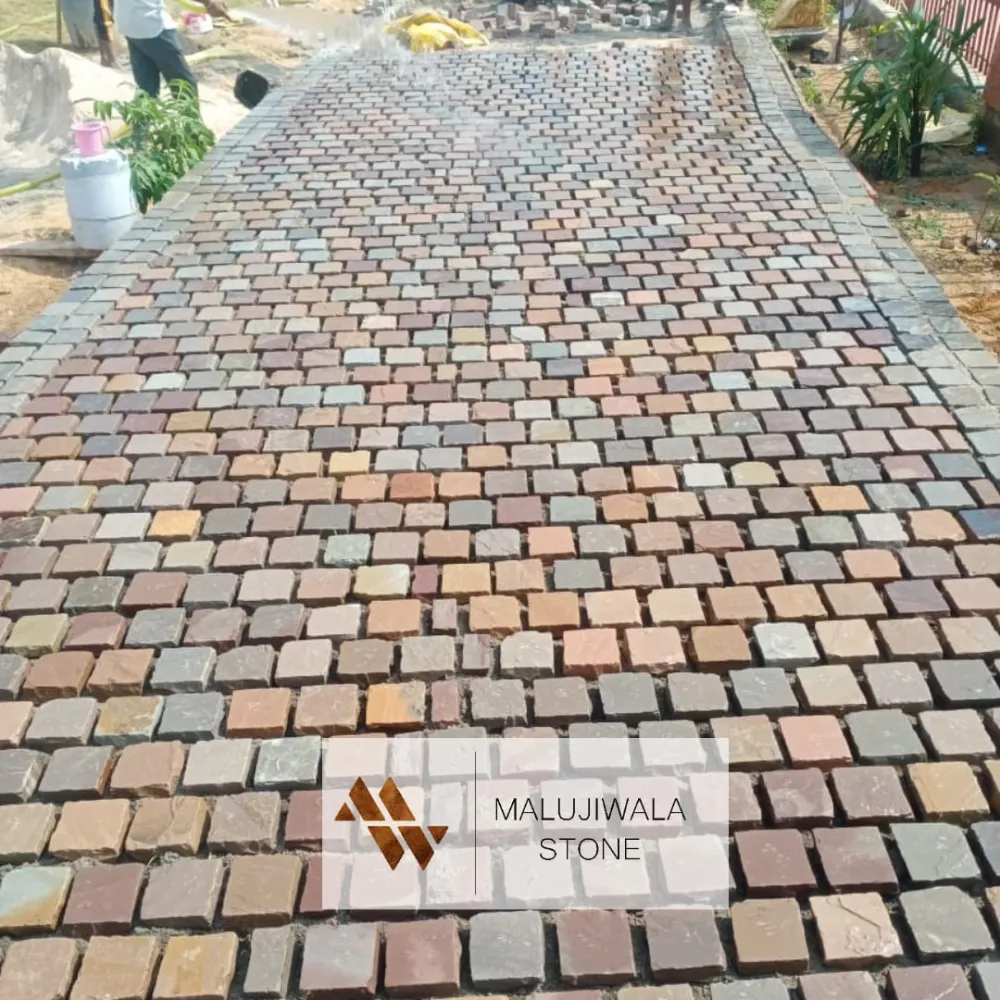
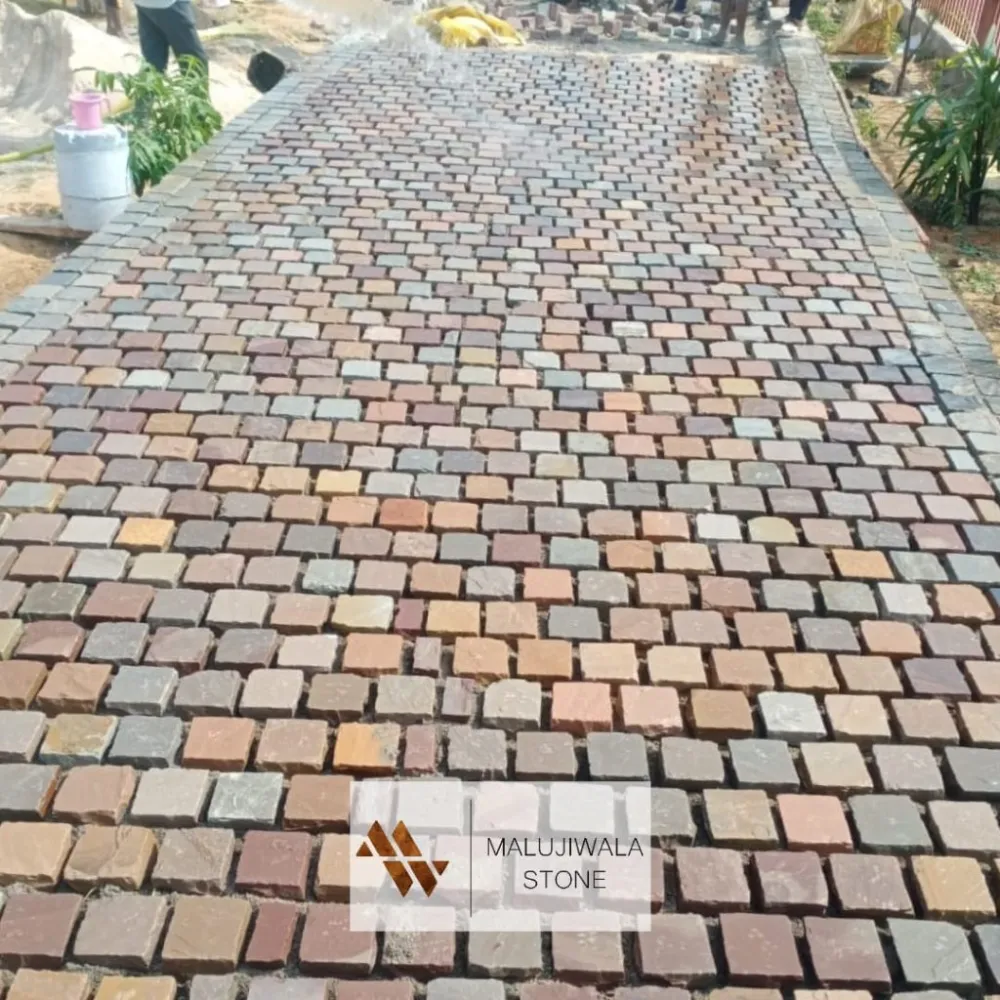
Eight colours across four stone types. Every one hand-chiselled, tapered top to bottom, and available in standard or custom sizes.
Granite Range
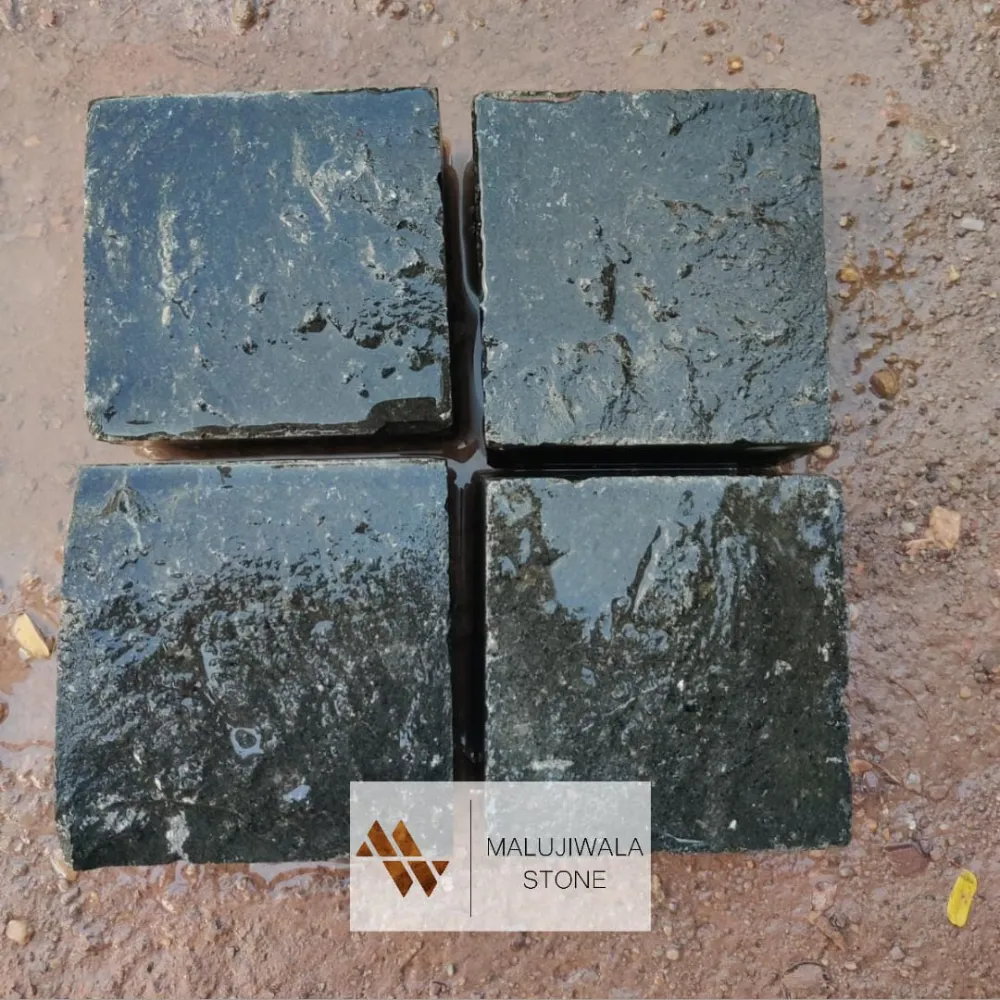
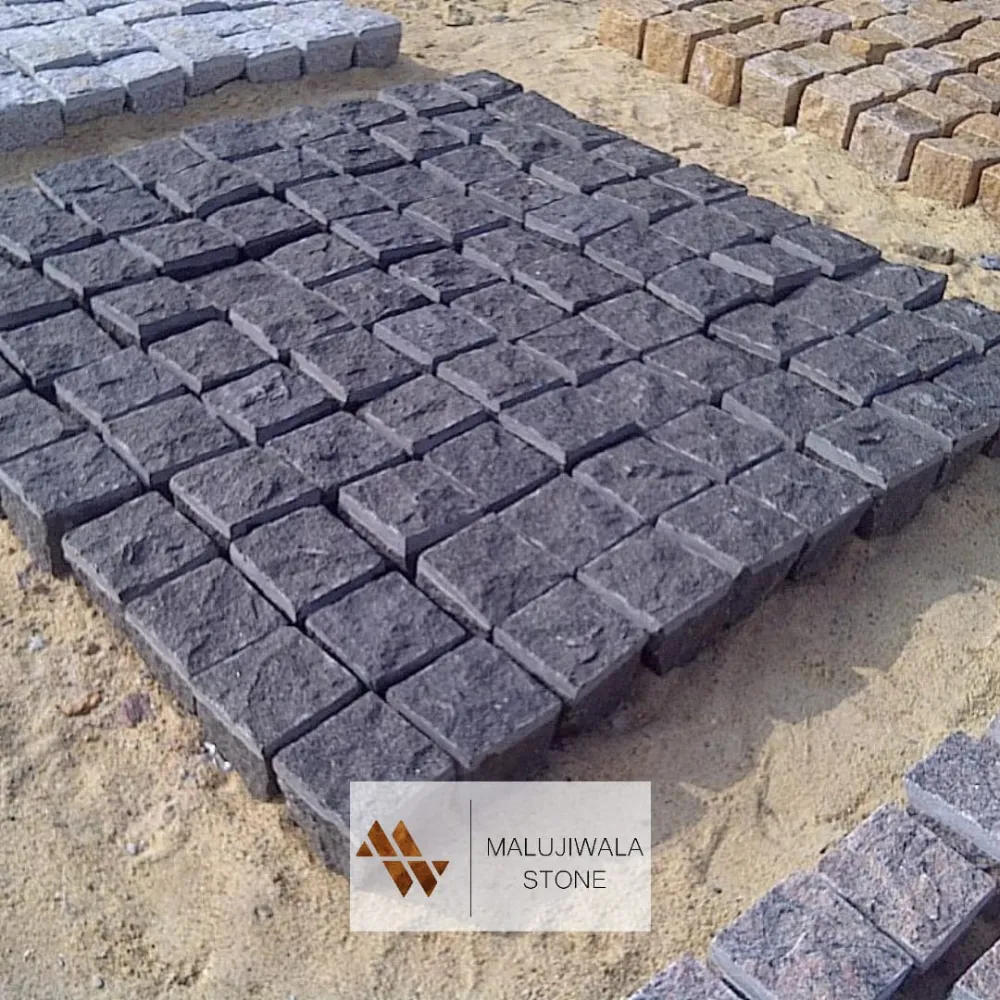
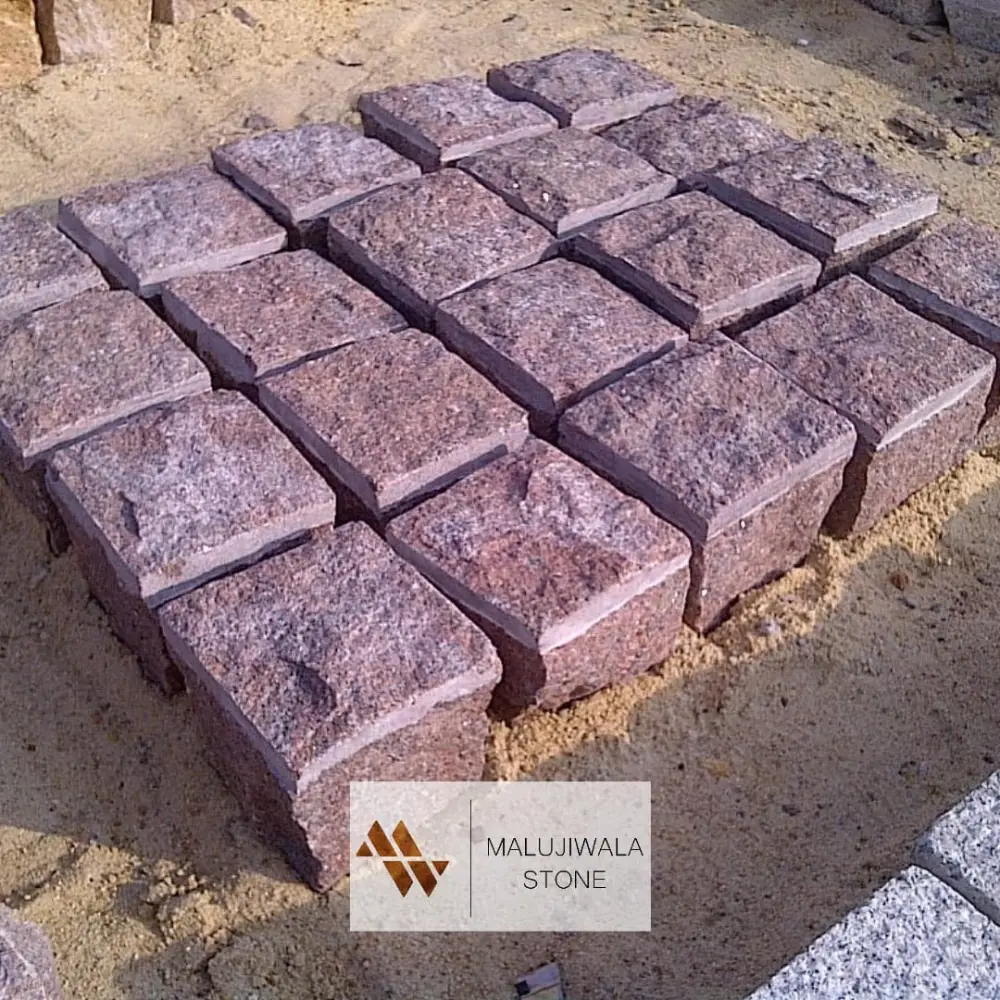
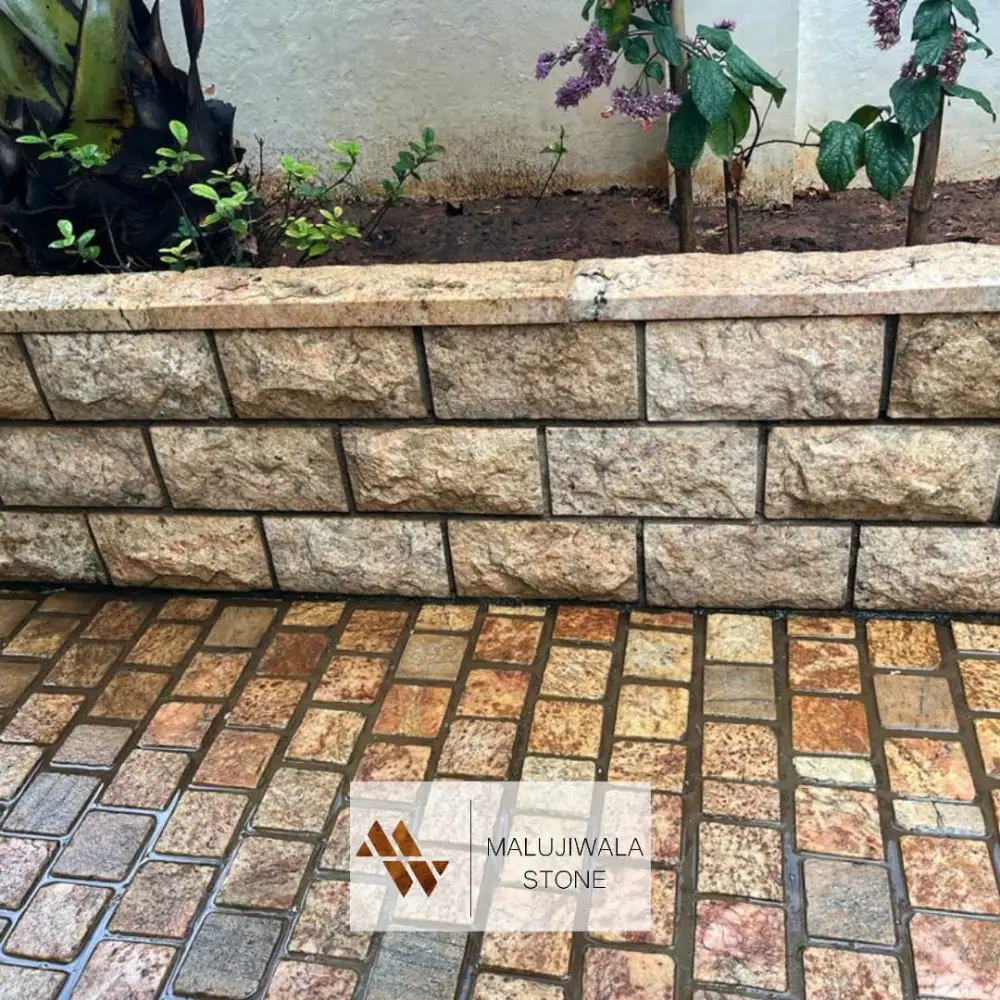
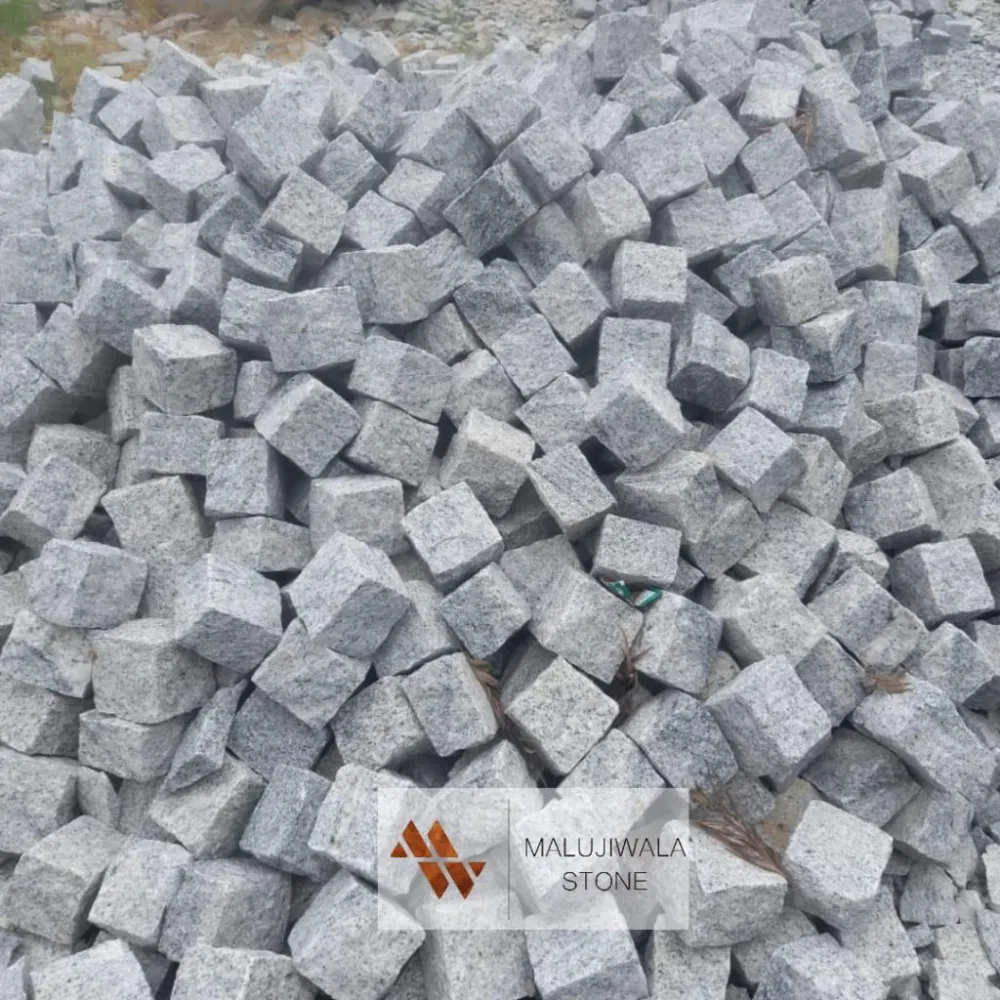
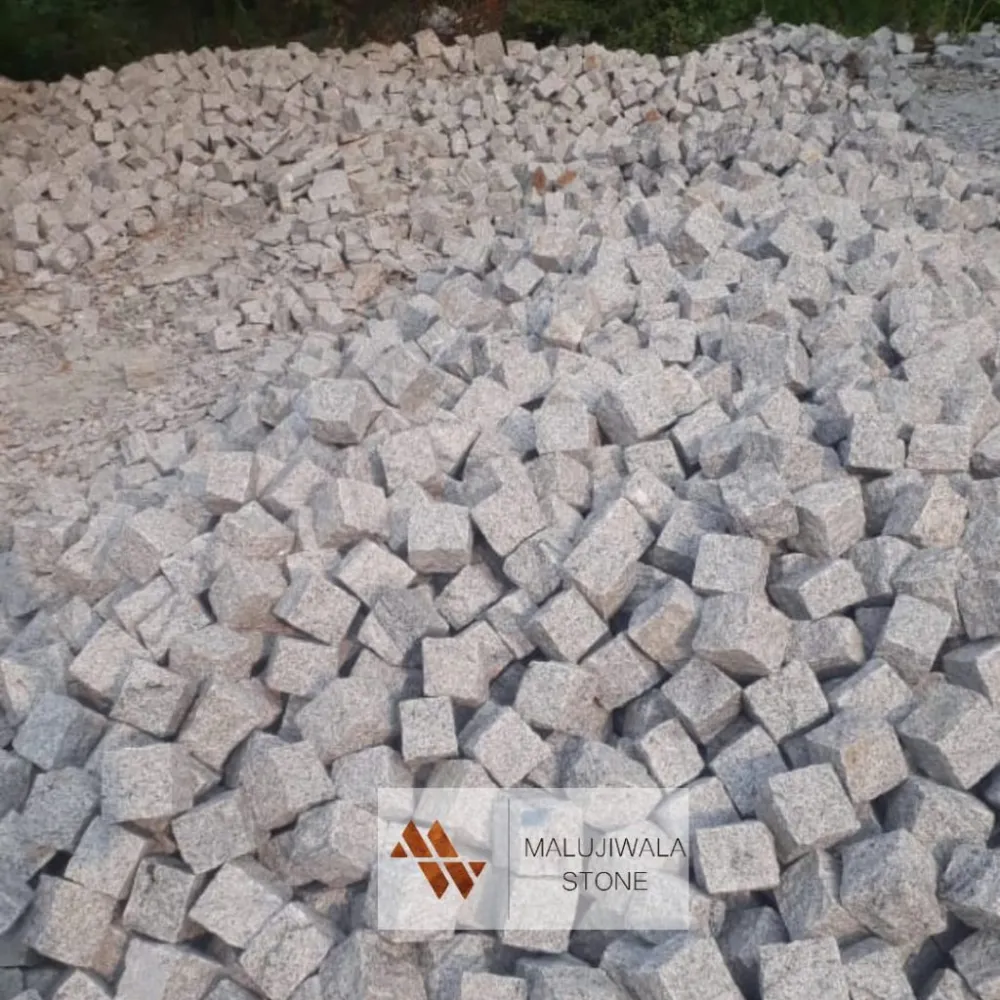
The Granite Cobbles Black, Grey, Pink, and Yellow are hand-chiselled natural paving stone or natural stone pavers. Especially Cobble is tapered from top to bottom surface which provides the perfect setting. In addition, Cobblestone / Sett is available in a wide range of sizes, colours, and thicknesses.
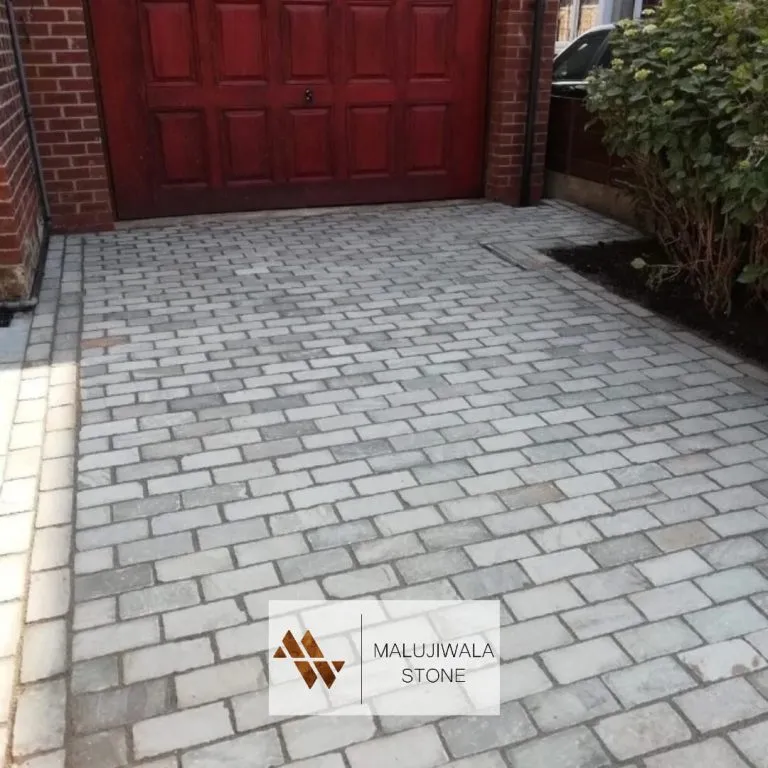
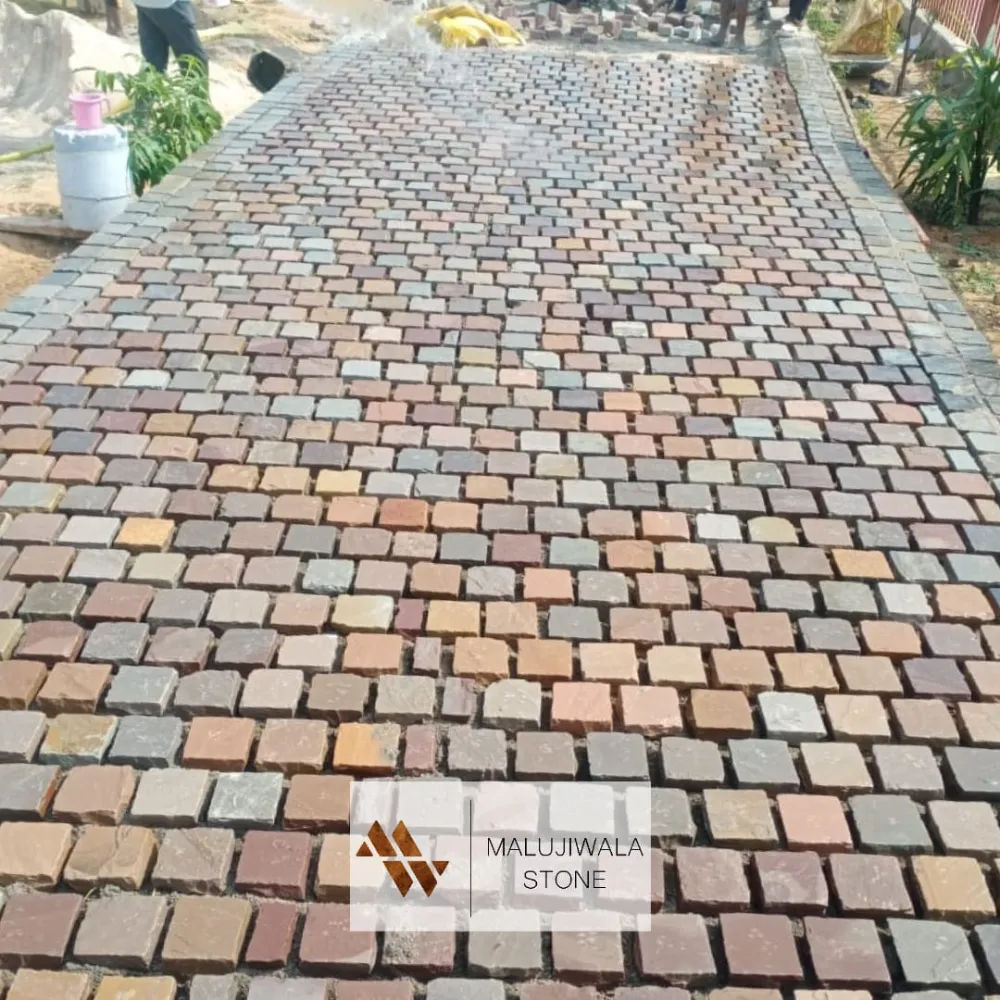
Especially Granite Setts / Sandstone setts are used on low, medium, and heavy traffic areas as landscaping stones. Furthermore, Cobblestone pavers are used in different patterns which rather produce a modern to ancient look. Finally, cobble is used as a cobblestone drive.


Best Seller
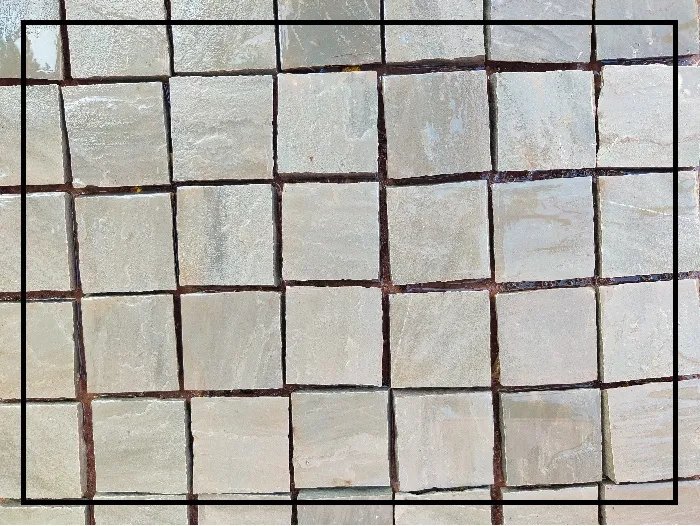
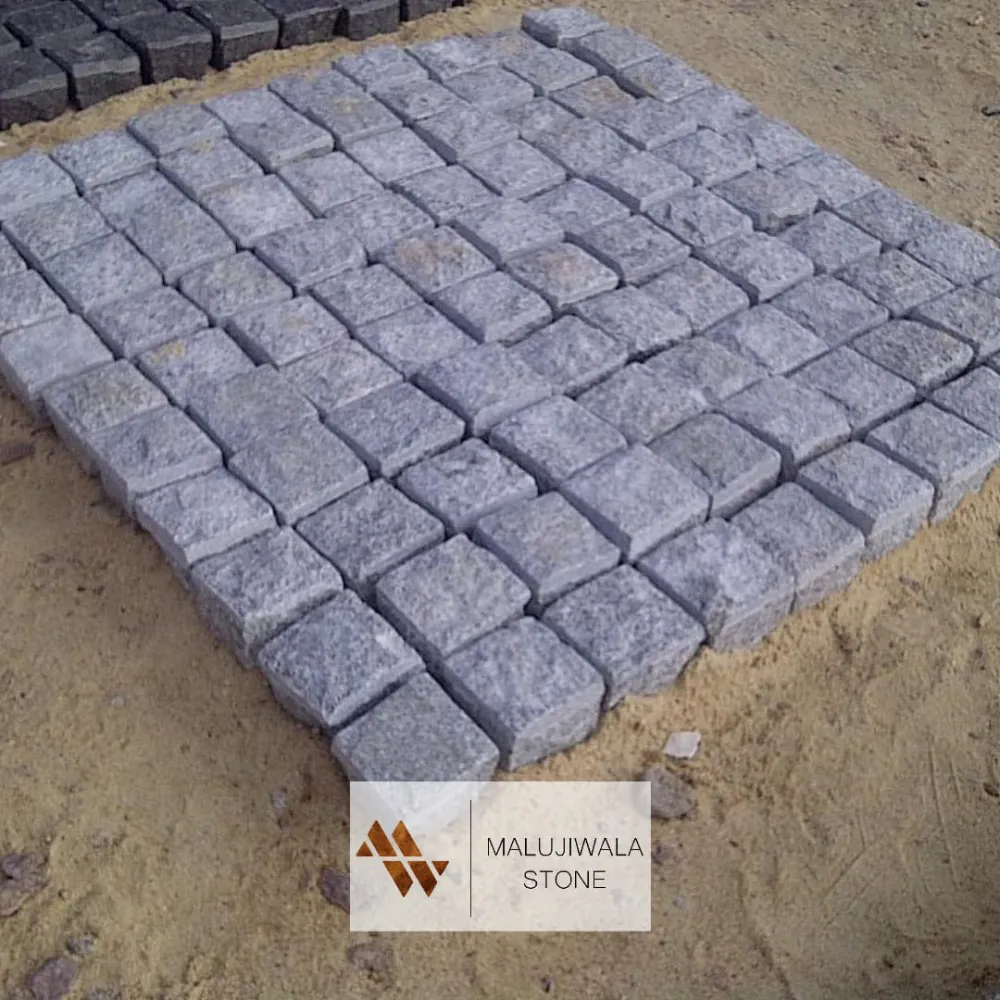
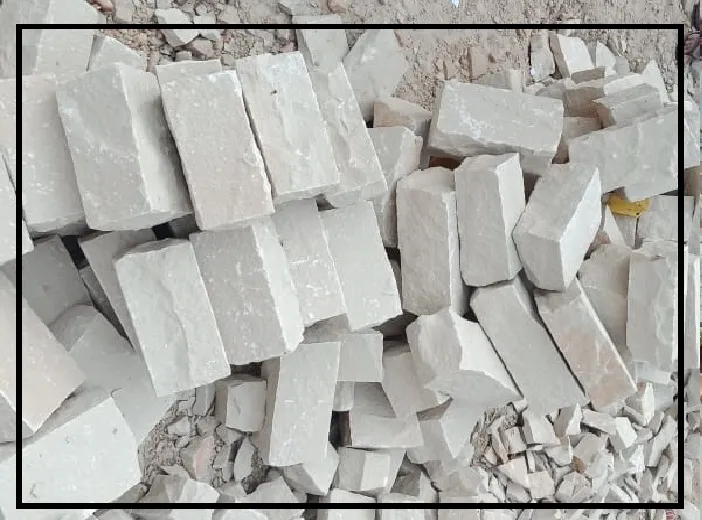
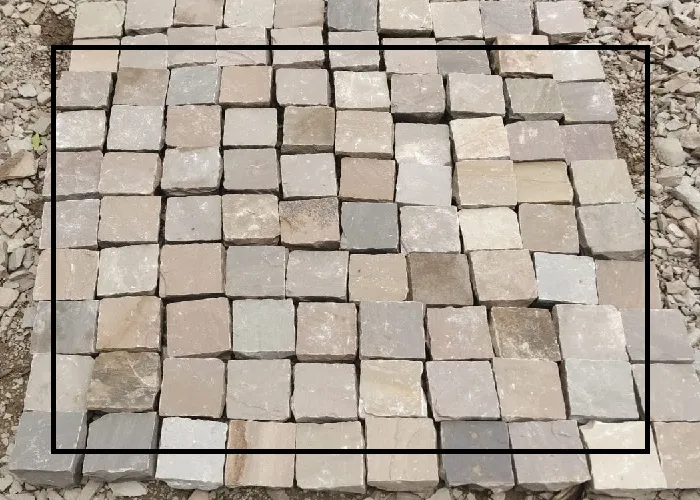
Hearken, fair folk, to the wonders of Kandla Grey Sandstone Cobbles! These beauteous stones, imbued with a multiplicity of uses, are a sight to behold. Amongst sandstones, they reign preeminent, adorning the market with their consistent and resplendent hue.
Withal, their might and endurance are legendary, oft employed in the paving of entire driveways, or as the borders of patios. Transform thy outdoor realm with a new-fangled aspect, courtesy of Kandla Grey Sandstone Cobbles.

Stone cobble owns true versatility and practicality to blend with all types of outdoor areas. But there is a choice to make first.
You get two kinds of stones under this category. One is the rough cobblestones. The other is the polished or smooth stone cobble.
The former kind slightly resembles concrete, producing a bumpy path. It may hinder the mobility of a person who uses a wheelchair, walker, or cane. Hence, if you have a person in the house moving with support, avoid using rough stone cobbles.
That said, stone cobble manufacturers like Malujiwala Stone provide an ideal solution. If you desire a rough look, we customise the rough stones by levelling them. This ensures a safe and walkable path for anyone.
On the contrary, polished granite cobblestone gets slippery when wet. These may cause someone to slip or trip. To prevent this, it is necessary to apply a slip-resistant coating, especially in high-traffic areas.
Natural cobblestone has several advantages over other paving materials.
Made from natural stone — long-lasting, withstands heavy foot traffic and weather, resistant to wear and tear.
Available in various sizes, shapes and colours — suitable for a wide range of design styles and intricate patterns.
Minimal upkeep. They do not need replacing frequently and clean up with a simple wash.
Eco-friendly — made from natural materials and containing no harmful chemicals.
Naturally slip-resistant thanks to their rough surface — ideal for areas with heavy rainfall.
Initial cost may be higher, but durability and low maintenance make them cost-effective long term.
Everything you need to specify, calculate and ship a cobble order.
Cobbles live or die on the base beneath them. Get this right and they last fifty years.
The base is everything. Cobbles are rigid units — unlike gravel or block paving they cannot shift and settle gracefully. Once a cobble surface sinks or heaves, the whole thing looks wrong and the only real fix is lifting it and starting again. For a footpath, excavate to roughly 200mm and lay 100mm of compacted MOT Type 1. For a driveway, excavate 250–300mm and lay a minimum 200mm sub-base — 250mm on clay soil. Compact in layers of no more than 100mm at a time.
Full mortar bed — never spot-bed a driveway. Every cobble must sit on a full semi-dry mortar bed of 30–40mm, mixed around 4:1 sharp sand to cement. Spot-bedding on five dabs is the single most common cause of failed cobble driveways. Set each unit by hand and tap down with a rubber mallet.
Leave a finger-width joint. Natural split cobbles vary in size by their nature — they are not sawn to identical dimensions like concrete block paving. Trying to butt them tight is next to impossible and looks worse, not better. A finger-width joint (roughly 8–10mm on a driveway, 5–8mm on a border) is the trade guide. Stagger the perpendicular joints.
Lay borders first. If you are using cobbles to frame a patio, lay the sett border before the main paving slabs. The border acts as a frame that the slabs fit against — not the other way around.
Order 10% extra. Standard for any natural stone — covers cuts, breakage and future repairs.
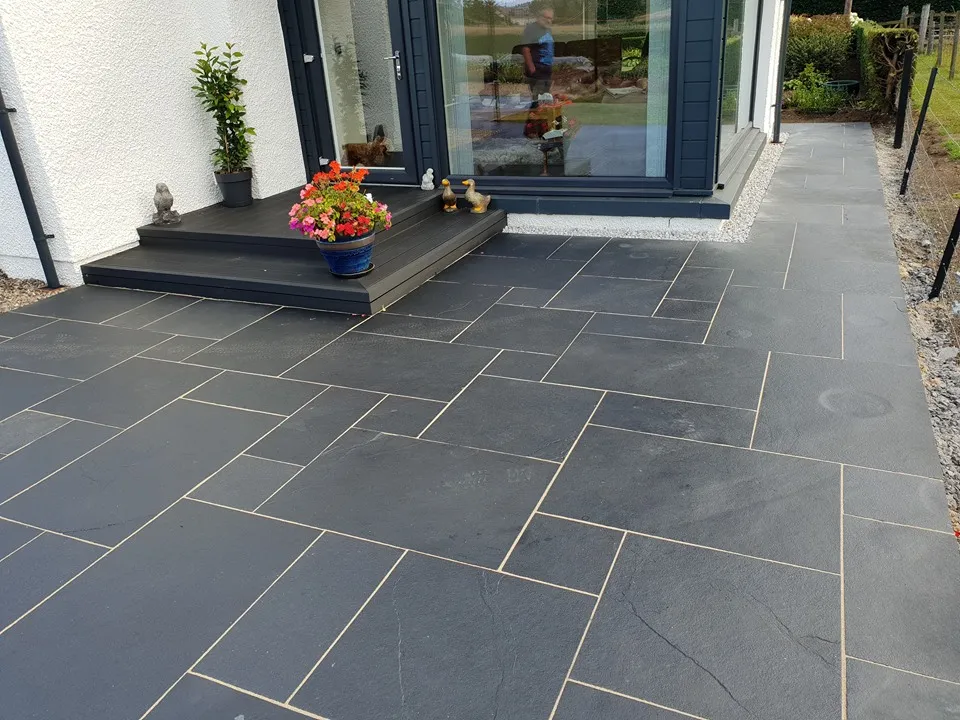
Cobblestone pavers are used in different patterns which produce anything from a modern to an ancient look.
A single row of setts laid end-to-end as a border. One or two rows framing a patio — quick to lay, high impact.
Pairs of setts laid alternating horizontal and vertical. Decorative and traditional — suits paths and feature areas.
The strongest interlocking pattern for driveways — more cutting, but excellent load distribution.
Cobbles laid without a strict pattern for a traditional cobbled look — suits cottage gardens and period properties.
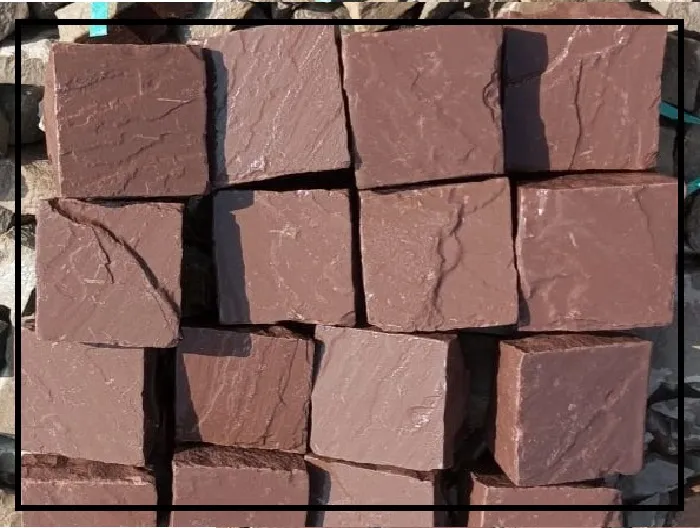
Indian cobblestones are a popular choice for construction and landscaping projects due to their durability, aesthetic appeal, and versatility.
Produced at our own units in Kota — quarried, chiselled, graded and crate-packed under our roof.


In normal trade use, cobbles are the smaller and squarer units while setts are rectangular. Cobbles suit curves and intricate patterns because each piece is small enough to follow a radius without cutting — ideal for circular features and winding paths. Setts, typically a 2:1 ratio like 200×100mm, suit straight lines, borders and patterns like herringbone or stretcher bond. Structurally the laying method is identical.
Coverage per 1,000 kg is 40 square metres divided by the thickness in cm — use the middle thickness for the calculation. So 4cm cobbles cover roughly 10 m² per tonne. For piece counts, divide 400,000 by (L × B × H) in cm: a 10×10×10cm cobble gives approximately 400 pieces per 1,000 kg. Always order 10% extra for cuts and breakage.
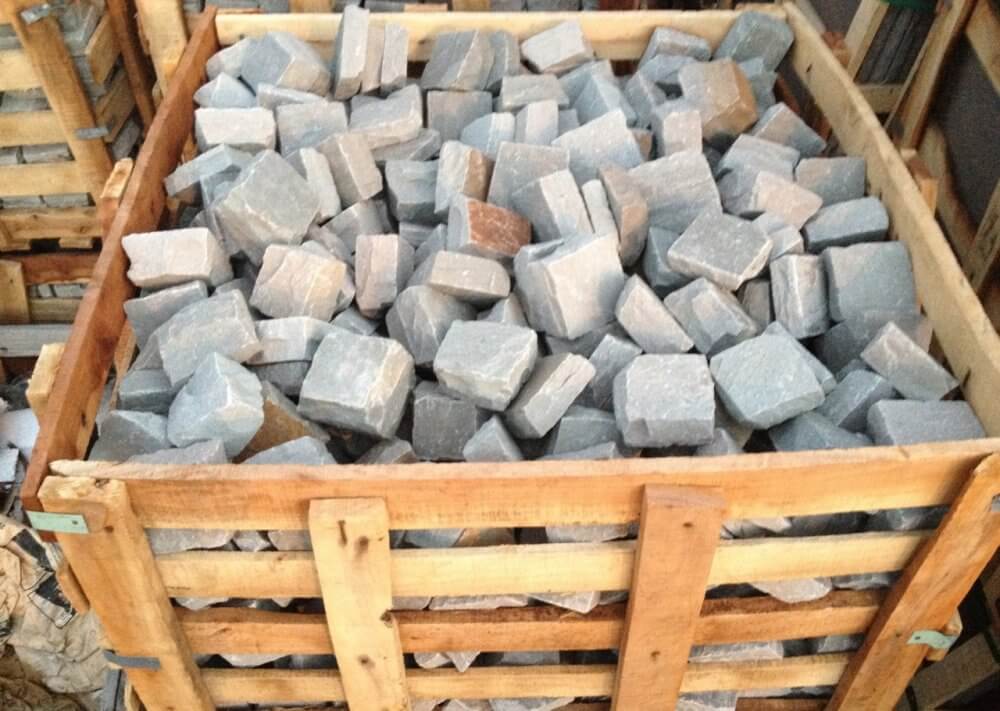
Wooden crates holding 1,100–1,250 kg each (1.1–1.25 tonnes), with 22–24 crates per container. A 20ft container holds 27.5 MT gross. Loose stuffing directly into the container is also possible if you prefer. Weight works out at roughly 2.50 grams per cm³.
Natural split cobbles are naturally slip-resistant thanks to their rough surface, which makes them ideal for areas that receive heavy rainfall. Polished cobbles are a different matter — polished granite cobblestone gets slippery when wet and needs a slip-resistant coating in high-traffic areas. All our cobbles are natural split as standard.
Rough cobblestones produce a bumpy path that may hinder the mobility of anyone using a wheelchair, walker or cane — so if someone in the house moves with support, avoid them. The solution: if you want the rough look, we customise the rough stones by levelling them, which gives a safe and walkable path for anyone.
Yes — granite and basalt cobbles especially are used on low, medium and heavy traffic areas. The key is the base: excavate 250–300mm, lay a minimum 200mm compacted MOT Type 1 sub-base (250mm on clay), and bed every cobble on a full 30–40mm semi-dry mortar bed. Never spot-bed a driveway. Use thicker cobbles (7–8cm or 8–10cm) for vehicles.
Tell us the colour, size, thickness and quantity — we'll come back with USD/tonne pricing and confirmed lead times. Custom sizes and shapes processed to your requirement.
Speak to our team for pricing, samples, custom sizes and shipping options to your country. Direct from India since 1996.